Torrance Multifamily Cap Rates in 2026: Why South Bay Duplex & 2–4 Unit Deals Are Repricing Faster Than DTLA
Torrance multifamily cap rates in 2026 are moving on a different clock than central LA. In the South Bay, I’m seeing buyers pay up for cleaner 2–4 unit buildings, stronger tenant profiles, and lower perceived operating risk, while DTLA still carries more policy friction, more expense uncertainty, and more buyer caution.[1][4]
What that means in practice: well-located Torrance duplexes and small apartment deals are trading tighter than many investors expected, and value-add opportunities in Old Town Torrance are pulling in 1031 exchange capital that wants stable cash flow with room to grow.[1][3][5]
Current Torrance Multifamily Pricing: 2–4 Unit & Small Apartment Comps
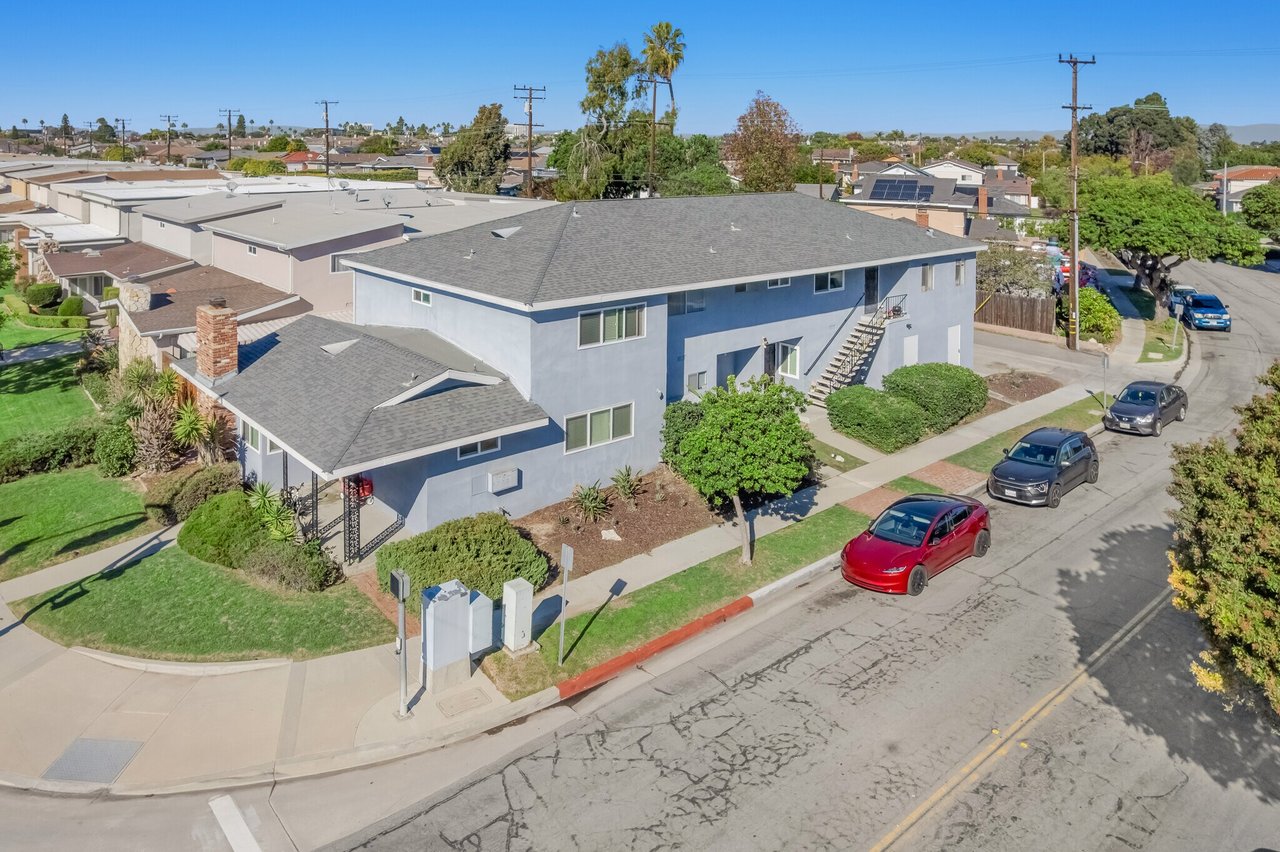
On the live comp side, I’m watching Torrance small multifamily trades cluster around a surprisingly firm range for the quality level of the asset. A 3-unit building at 2022 Cabrillo Ave was offered at $1,087,000 with a 5% cap rate, which is a clean marker for what stabilized, well-kept South Bay product can command in today’s market.[1]
A nearby fourplex at 3728 Redondo Beach Blvd showed a $1,395,000 asking price, $55,383 in NOI, and a 4 cap rate, reinforcing that investors are still willing to price on long-term South Bay durability rather than chase headline yield.
In my underwriting, Torrance duplex and 2–4 unit trades in 2026 generally separate into two buckets:
- Turnkey / light lift assets that often trade around the low- to mid-5% cap area when the rent roll is clean, the roof and mechanicals are in good shape, and parking is strong.[1][5]
- Value-add / repositioning assets that may price closer to the mid-5s or higher only when there is meaningful in-place rent upside, deferred maintenance, or operational cleanup required.[1][5]
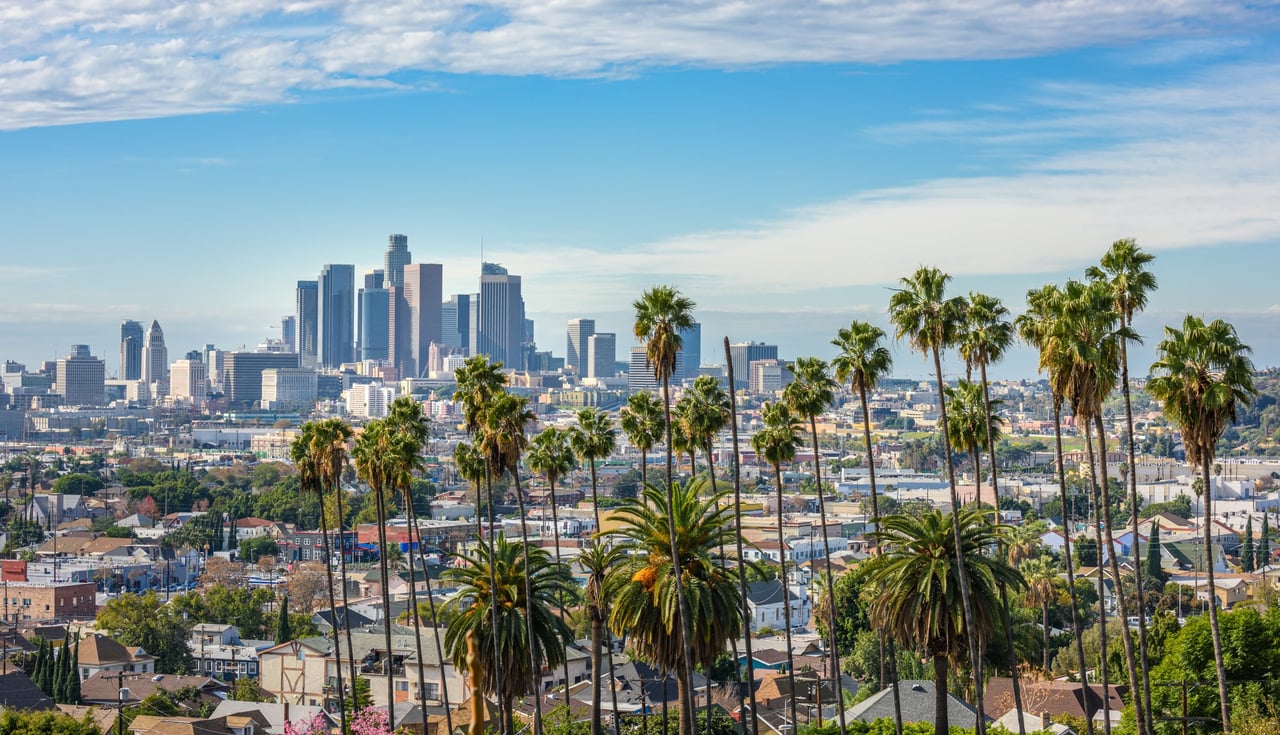
Compared with central LA, the South Bay is often pricing on a different risk stack. DTLA multifamily underwriting has to account for more tenant turnover, more rent-growth skepticism, and heavier expense assumptions in many older buildings, while Torrance investors are often underwriting lower volatility and a more suburban tenant base.[3][4]
The other point that matters: land scarcity in Torrance keeps the replacement-cost story strong. When there is limited feasible new supply, existing duplexes and small apartment properties become more valuable as long-duration income assets, especially in neighborhoods where garage parking, larger lots, and stable school/demographic draws continue to support occupancy.
Why Torrance Attracts 1031 Exchange Capital Right Now
Torrance is drawing 1031 exchange buyers because it offers a cleaner entry point into South Bay apartment ownership than many central LA submarkets, while still delivering coastal-adjacent fundamentals and long-term appreciation potential.[3][4]
Three things are driving that capital:
- Lower perceived risk than DTLA: Buyers like the fact that Torrance is not as exposed to the same concentration of downtown office-adjacent disruption, and apartment demand is supported by local employment, logistics, healthcare, aerospace, and the broader South Bay economy.
- Tenant stability: South Bay renters tend to be stickier than transient urban renter pools, which supports lower vacancy friction and more predictable renewal economics.
- Expense profile discipline: Even though California insurance and maintenance costs remain elevated, Torrance owners often have more manageable operating assumptions than high-density central LA assets with older systems, tougher access, and higher turnover.[3][4]
For 1031 buyers, that combination matters. If you are rolling gain from a larger disposition and need a replacement property with durable cash flow, Torrance multifamily can make more sense than stretching into a lower-quality central LA asset just to buy nominal yield.
Value-Add Opportunities in Old Town Torrance
Old Town Torrance is one of the most interesting pockets for Torrance value-add multifamily because it combines walkability, neighborhood identity, and a rare supply profile that still supports renovation-led NOI growth. Older 2–4 unit properties and small apartment buildings in and around the area can often be improved through interior upgrades, utility rub-outs, parking improvements, and tighter expense management.
The underwriting spread is the key. If a property is still sitting on in-place rents that are below market, the delta between current income and stabilized income can be meaningful enough to justify the basis, especially when the building already has the bones investors want: functional layouts, on-site parking, and a location that renters understand immediately.
That is why I expect more attention on Old Town Torrance apartment comps in 2026. In a market where AB 1482 still limits annual rent increases on covered units and California’s regulatory framework continues to reward long-term holders over quick flips, the smartest buyers are pricing the asset based on disciplined, achievable rent-up rather than aggressive pro forma assumptions.[3]
For apartment investors, the practical playbook looks like this:
- Buy the building where existing tenancy is stable.
- Modernize the interiors selectively, not cosmetically only.
- Underwrite rent growth one unit at a time, not all at once.
- Keep reserves real, because insurance and capital spending still matter more than they did five years ago.[3][4]
I’m also seeing more interest from buyers who understand that Torrance duplex investment 2026 is not about forcing urban-style density economics onto a suburban South Bay asset. It is about buying a scarce, well-located income property with a long runway for rent normalization and appreciation.
Forward Look: How Torrance Multifamily Pricing May Shift in H2 2026
If debt markets stay relatively steady, I expect Torrance multifamily cap rates 2026 to remain tighter than many investors initially forecast, especially for clean 2–4 unit product in proven neighborhoods. Regional research suggests rent growth in Los Angeles County is likely to remain moderate rather than explosive, while vacancy holds in the mid-single-digit range, which supports a more stable pricing environment for income properties.[3]
The bigger question is competition. As more investors search for alternatives to expensive coastal single-family and unstable central LA cash flow, South Bay 2–4 unit apartment deals may continue to attract capital from both local owners and 1031 buyers. That could compress yields further on the best-located assets, particularly those near commercial corridors, transit access, and established neighborhood centers.
My read is simple: if you are targeting Torrance duplexes or small apartment buildings with real upside, waiting for a dramatic cap rate reset may mean missing the market. The better opportunities are often the ones where the current seller is still pricing off yesterday’s numbers, not tomorrow’s buyer pool.
Thinking about buying, selling, or 1031-ing into an apartment building in Torrance? Let's talk. I’m watching the South Bay comp set closely, and the best value-add exits are still being created by buyers who understand how Torrance actually trades, not just how it appears on a spreadsheet.
FAQ: Torrance Multifamily Cap Rates and Small Apartment Investing
What is the typical Torrance multifamily cap rate in 2026?
Torrance multifamily cap rates in 2026 are commonly showing up around the mid-4% to low-5% range for cleaner small apartment buildings, with value-add properties pricing higher depending on condition, rent upside, and location.[1][5]
Are Torrance duplexes a good 1031 exchange target?
Yes. Torrance duplex investment 2026 makes sense for many 1031 buyers because the market offers stable tenancy, strong South Bay demand, and a lower-risk profile than many central LA alternatives.[3][4]
Why are Old Town Torrance apartment comps important right now?
Old Town Torrance apartment comps are important because this submarket combines scarcity, walkability, and renovation upside, which helps investors benchmark realistic rents and pricing for value-add multifamily.[1][5]
How do Torrance small apartment deals compare with DTLA?
Torrance small apartment deals are generally underwritten with more confidence on tenant stability and expense predictability, while DTLA often requires more conservative assumptions around turnover, regulations, and operating complexity.[3][4]
What should investors watch before buying Torrance value-add multifamily?
Investors should focus on rent roll quality, insurance costs, deferred maintenance, parking, and whether the building has enough upside to justify the basis under AB 1482 and current debt conditions.[3][4]