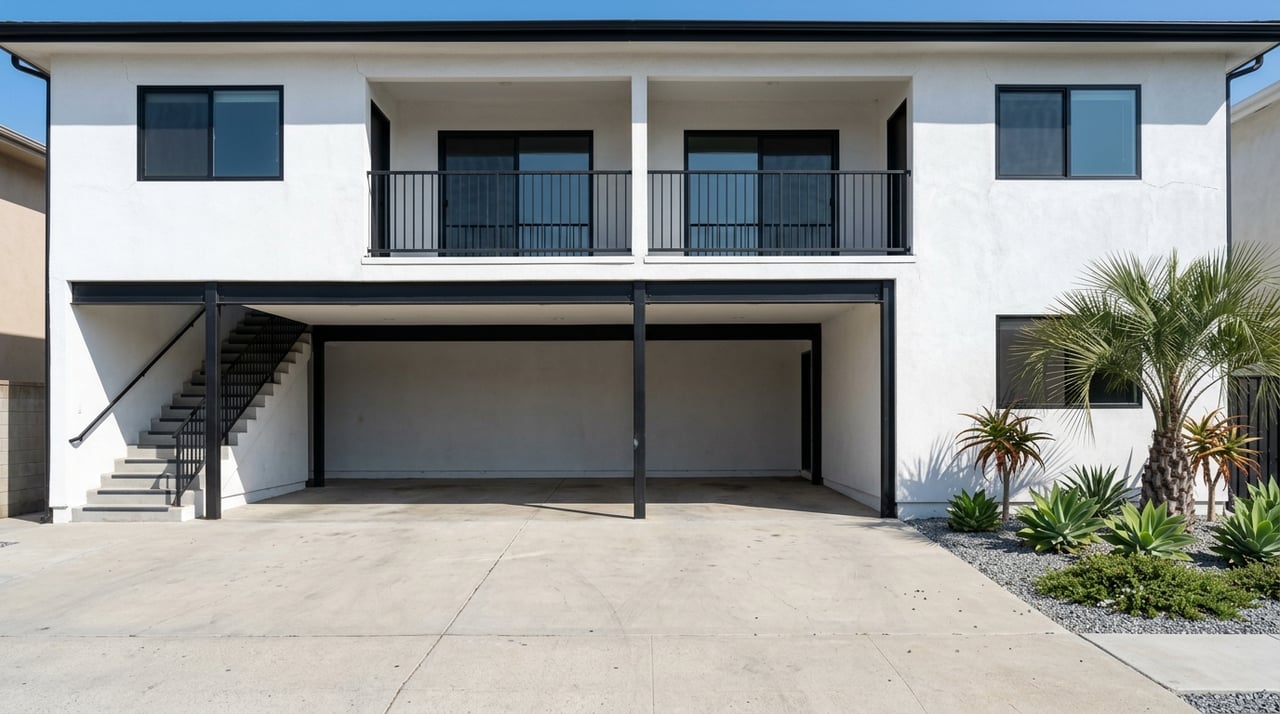
Selling a Torrance apartment building can move faster than many owners expect, but only if the file is clean before the property hits the market. If you wait until escrow to sort out permits, tenant records, title questions, or tax paperwork, a straightforward sale can turn into a long cleanup project. This guide walks you through a practical timeline, the main delay points, and the steps that help you close with fewer surprises. Let’s dive in.
What sets the sale timeline
In Torrance, the sale timeline is often driven less by marketing and more by preparation and due diligence. Apartment buyers want clean records, accurate tenant information, and clarity on title, permits, and closing costs before they commit.
The City of Torrance can help surface key property information early. Its property and permit resources can show active permits, scanned permit records, zoning, parcel details, APN, year built, and legal description. If you need building or architectural plans, those generally require a City Clerk public records request.
That means record gathering should start first, not last. A well-prepared seller often saves weeks simply by assembling the core file before launching the listing.
A practical Torrance sale timeline
A smooth Torrance apartment sale often follows this general planning range:
- Pre-listing prep: about 2 to 6 weeks
- Marketing and offer selection: about 2 to 4 weeks
- Escrow: about 30 to 45 days
- Longer timelines: 90 or more days if open permits, tenant issues, title defects, tax planning, or 1031 coordination need extra work
These are working estimates, not fixed legal deadlines. Still, they give you a useful framework for planning your sale.
Phase 1: Pre-listing cleanup
Start with title and payoff work
The first major step is usually ordering a preliminary title report. Title companies search public records for liens, encumbrances, easements, and other defects that could affect the transfer.
This is also the right time to gather loan payoff information. If you have existing debt, missing payoff details can slow the closing later when escrow needs final numbers and lender coordination.
Pull Torrance permit records early
You should also review the property’s permit history and parcel data right away. Torrance records can reveal active permits and scanned permit history, which helps you spot open issues before a buyer does.
If a permit was never finalized or a prior improvement was not properly closed out, that can become a negotiation issue. Buyers and lenders often want certainty on these items before removing contingencies.
Check for code issues
Unresolved code enforcement matters can add meaningful time. Torrance notes that code cases can move through multiple notice stages, with typical 30-day compliance periods.
If you discover a code issue late, you may face weeks of added delay. That is why early review matters so much for a smooth sale timeline.
Organize leases and tenant files
For a tenant-occupied apartment building, your tenant file is part of the product you are selling. Buyers will want to review leases, amendments, rent increase records, security deposit information, and notice history.
Under California’s Tenant Protection Act, many residential tenancies are subject to annual rent increase caps and just-cause rules after 12 months, subject to exemptions and notice requirements. Even when no tenancy changes are planned, buyers still underwrite tenant status carefully.
Phase 2: Marketing prep and launch
Build an investor-ready package
Once the core file is in order, the next step is to package the property for the market. For apartment sales, this usually means assembling ownership records, tenant files, financial history, permit history, title information, and known disclosure items.
This matters because multifamily buyers underwrite quickly when the data is complete. A stronger package often leads to cleaner offers and less back-and-forth during diligence.
Address older-building disclosure items
If your building was built before 1978, federal lead-based paint disclosure rules generally apply to most housing before sale or lease, including apartments. Sellers and landlords of most pre-1978 housing must disclose known lead-based paint information and provide the required materials before a contract or lease is signed.
If those records are not organized before marketing, the issue can surface late and create avoidable friction. For older Torrance apartment buildings, this is one of the easiest areas to address early.
Set expectations before offers arrive
The marketing period can move quickly if buyers receive clear information upfront. If there are open permits, older records, tenant questions, or known property issues, it is usually better to explain them clearly rather than let them appear unexpectedly in escrow.
That approach supports stronger buyer confidence. It also helps serious buyers underwrite the deal without building in extra uncertainty.
Phase 3: Offer selection and escrow opening
Choose more than just price
The best offer is not always the one with the highest number. You should also weigh the buyer’s timeline, financing strength, due diligence needs, and ability to close with the building’s actual condition and records.
This becomes especially important if your sale involves tenant complexity, payoff coordination, or a 1031 exchange. A well-matched buyer can save you time that a more aggressive but less prepared buyer may cost you later.
Understand what escrow handles
In California, escrow manages much of the formal closing process through a neutral party. Escrow typically handles funds and documents, prepares closing paperwork, prorates taxes, interest, and insurance, secures contingency releases, records deeds, requests title insurance issuance, prepares final accounting, and disburses funds when instructions are complete.
In Southern California, escrow is often separate from title. That is one reason the final coordination phase can still take several weeks even after terms are agreed.
Phase 4: Closing and recording
Plan for transfer tax
At closing, Los Angeles County charges documentary transfer tax on documents that convey real property within county cities at $0.55 per $500 of consideration over $100. Torrance finance materials describe that county documentary transfer tax as $1.10 per $1,000 of sale price.
This is a basic closing item, but it still needs to be accounted for early. If you wait until final settlement statements to review your costs, you may end up adjusting plans at the last minute.
Prepare withholding paperwork in advance
California real estate withholding can also affect the closing process. The Franchise Tax Board states that real estate withholding is a prepayment of income tax due from the sale or exchange of California real property, and Form 593 is used after real estate transactions.
If an exemption applies, that paperwork should go to escrow before closing. Waiting too long on withholding documents can slow final signing and disbursement.
Handle 1031 planning before closing
If you plan to complete a 1031 exchange, timing is critical. The replacement property must be identified within 45 days after the sale of the relinquished property and received by the earlier of 180 days after transfer or the tax return due date.
That means exchange planning should be in place before your Torrance sale closes. If you wait until after closing, you may lose the structure and timeline needed for a valid exchange.
Common issues that delay Torrance apartment sales
Open permits and code cases
This is one of the most common bottlenecks. Buyers often want certainty around active permits, unfinalized work, and code-related issues before they close.
If those items are not identified until escrow, the sale can slow while everyone figures out next steps. In many cases, the lost time could have been avoided with earlier review.
Incomplete tenant records
Tenant files often become a pressure point in multifamily transactions. Missing lease amendments, unclear rent histories, security deposit records, or incomplete notices can cause a buyer to pause or renegotiate.
For owner-operators and private investors, this is a major reason to prepare the file before marketing. The cleaner the records, the smoother the underwriting.
Older-building lead disclosure questions
Pre-1978 properties may need lead-related forms and records review before they are fully market-ready. If you know the building falls into that category, it is smart to handle those steps upfront.
That is not just about compliance. It also keeps your deal from stalling over documents that could have been assembled weeks earlier.
Debt payoff and tax coordination
Escrow, title, and lenders all need matching instructions and timing. If payoff demands, title updates, withholding forms, and exchange documents are not aligned to the same closing date, delays can follow.
A clean file usually means these moving parts are coordinated well before the final week. That is often the difference between a routine close and a stressful one.
Questions to answer before listing
Before you put your Torrance apartment building on the market, make sure you can answer these questions clearly:
- Is this a 1 to 4 unit residential-style file or a larger apartment sale?
- Was the property built before 1978?
- Are there open permits or code cases tied to the property?
- Are all leases, amendments, rent records, and deposit records organized?
- Will the sale be a cash closing, a debt payoff sale, or part of a 1031 exchange?
- Has the preliminary title review been completed?
If you can answer these questions early, you are far more likely to move through marketing and escrow without losing time to preventable cleanup.
How to keep the timeline smooth
The smoothest Torrance apartment sales usually have one thing in common: the owner did the hard work upfront. Title review, permit research, tenant-file organization, disclosure prep, and tax planning all help reduce surprises once buyers begin due diligence.
For small-to-mid multifamily owners, this prep also improves how the asset is presented to the market. When your property is packaged with clear records and investor-ready information, buyers can move faster and underwrite with more confidence.
If you are thinking about selling a Torrance apartment building and want a sharper plan for timing, packaging, and 1031 coordination, Jack McCann can help you map out the process and position the property for a more efficient sale.
FAQs
How long does it usually take to sell a Torrance apartment building?
- A well-prepared sale may take about 2 to 6 weeks for prep, 2 to 4 weeks for marketing and offer selection, and 30 to 45 days in escrow, though issues like permits, tenant files, title defects, or 1031 planning can extend the process beyond 90 days.
What documents matter most when selling a Torrance multifamily property?
- The most important items usually include the preliminary title report, permit history, leases and amendments, rent and deposit records, financial history, payoff information, and any known disclosure materials.
How do open permits affect a Torrance apartment sale timeline?
- Open permits can slow a sale because buyers and lenders often want clarity on unresolved work, and Torrance code or permit issues may require additional review or compliance time before closing.
What tenant records should you organize for a Torrance apartment building sale?
- You should organize leases, lease amendments, rent increase history, security deposit records, and notice history so buyers can review the tenancy file without gaps.
Does a pre-1978 Torrance apartment building need special disclosure forms?
- In most cases, yes. Federal lead-based paint disclosure rules generally apply to most pre-1978 housing, including apartments, so known lead information and required materials should be assembled before contract acceptance.
Why should 1031 planning start before closing a Torrance apartment sale?
- A 1031 exchange has strict timing rules, including a 45-day identification period and a 180-day exchange period, so the structure and coordination need to be in place before the sale closes.