Trying to stay ahead of multifamily regulations in Torrance can feel like a moving target, especially if you own an older building or you are underwriting a value-add deal. You want to avoid compliance surprises, protect cash flow, and make smarter decisions before a sale, refinance, or renovation. This checklist breaks down the key state and local rules that matter most for Torrance multifamily owners so you can spot risk earlier and plan with more confidence. Let’s dive in.
Start With Rent and Eviction Rules
For many Torrance multifamily owners, the first compliance question is whether your property is subject to California’s statewide Tenant Protection Act, also known as AB 1482. Under California Civil Code section 1947.12, rent increases are generally capped at 5% plus CPI or 10%, whichever is lower, in any 12-month period. The same law also requires written notice of rent increases.
AB 1482 also affects how and when a tenancy can be terminated. After 12 months of lawful occupancy, a landlord generally needs just cause to terminate a tenancy, and California Civil Code section 1946.2 requires a chance to cure for certain lease violations. If the termination is based on a no-fault just cause, the owner must provide relocation assistance or waive the final month’s rent, equal to one month of the tenant’s current rent.
Separate AB 1482 From Torrance Rules
One of the biggest underwriting mistakes is assuming state and city rules use the same test. They do not. Torrance’s no-fault eviction FAQ says most rental units with a certificate of occupancy issued before January 1, 2005 are protected under the city’s eviction moratorium, with some possible exemptions for owner-occupied single-family homes and duplexes.
That city cutoff is different from AB 1482’s rolling 15-year exemption for newer housing. Certain separately alienable single-family or condo-style properties may also be exempt from AB 1482 if they meet ownership and notice requirements, and qualified owner-occupied duplexes may be exempt as well. For Torrance owners and buyers, that means you should review state rules and city rules as two separate compliance analyses.
Know Your Recurring Inspection Duties
If your property has more than three units on a parcel, Torrance may require annual fire inspections. According to the city’s electronic fire inspection program, the program applies to non-residential structures and residential structures over three units on a parcel. That makes annual inspection scheduling and follow-up corrections a recurring operational item for many apartment owners.
Life-safety devices are another basic but critical area. Torrance requires smoke detectors and carbon monoxide detector compliance in apartment houses and qualifying multifamily properties, and the city instructs owners and agents to keep devices operational and test them monthly. A simple maintenance log can help you show that testing and replacement are part of normal management.
Track Balconies, Decks, and Exterior Elements
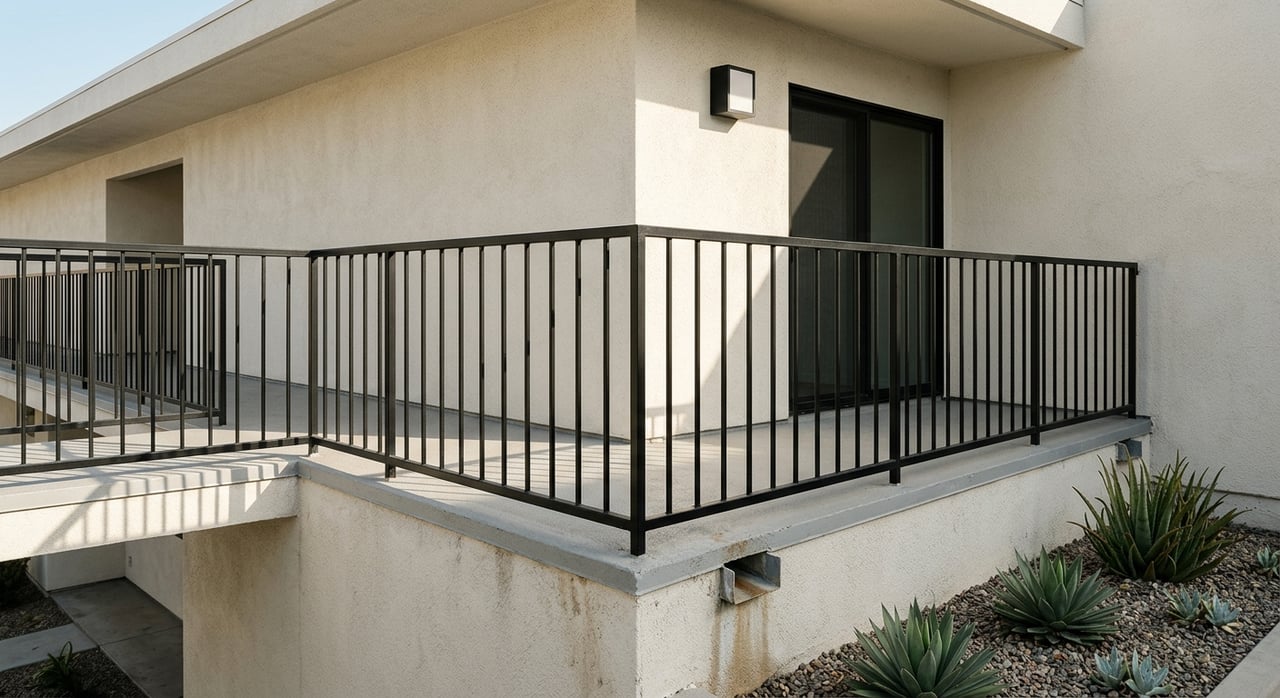
Exterior elevated elements deserve special attention in older multifamily properties. Under SB 721, decks, balconies, stairways, walkways, and similar load-bearing exterior elevated elements in buildings with three or more multifamily units must be inspected every six years, with the first inspection due by January 1, 2025.
This rule can catch owners off guard because it applies even when a smaller apartment property falls outside Torrance’s annual fire inspection program. In other words, a three-unit building may not have the same local fire inspection burden as a larger property, but it can still fall within the SB 721 inspection regime. If you own or are buying a building with exterior elevated elements, this should be part of your annual asset review.
Review Smoking and Short-Term Rental Rules
Torrance has a multi-unit smoking ordinance that is broader than some owners expect. The city’s multi-unit residential no-smoking page says smoking is prohibited in indoor and common areas, individual units, exclusive-use balconies, porches, decks, patios, and within 25 feet of openings. For 2026 planning, owners should treat these restrictions as fully in force unless the city changes the ordinance.
Short-term rentals are another area where owners should not assume a regular apartment use automatically qualifies. Torrance allows short-term rentals in residential zones only as home-shares with the host living onsite, and the city requires a short-term rental permit, business license, and Uniform Occupancy Tax registration. The city also states that unpermitted short-term rentals are considered a public nuisance and may face civil or criminal enforcement.
Watch for Seismic and Older-Building Risk
For older Torrance apartment assets, seismic risk is not just a structural issue. It is also a budgeting and transaction-risk issue. The city’s seismic retrofit program identifies at-risk building categories including soft or weak open-front wood buildings, non-ductile concrete buildings, pre-Northridge steel moment frames, and rigid-wall or flexible-diaphragm anchorage deficiencies.
If you are buying an older building, ask whether the property falls into one of those categories and whether the owner has received any notices or retrofit requirements. This is especially important before a refinance, major renovation, or 1031 exchange acquisition, where surprise capital costs can change your timing and returns.
Stay Ahead of Common Code Complaints
Many compliance problems start with ordinary site conditions, not major structural issues. Torrance’s Environmental Division FAQs say the city responds to complaints about property maintenance, nuisance codes, noise, inoperative vehicles, weed abatement, and zoning or land-use violations. Once a violation is verified, the city typically gives up to three notices before escalating, often allowing about 30 days per notice unless the issue requires a different timeline.
The same city guidance calls out practical trouble spots such as trashy conditions, overgrown weeds and bushes, front-yard shrubbery over four feet, front yards paved more than 50% without maintained landscaping, parking on lawns or landscaped areas, stagnant water, and nonoperational or abandoned vehicles. These are exactly the kinds of items owners should check during a routine property walk-through.
Keep Trash, Recycling, and Organics in Order
Multifamily sanitation is easy to overlook until it becomes visible to tenants, neighbors, or the city. Torrance says owners and managers of multifamily properties must arrange adequate refuse, recycling, and organics collection through a licensed private hauler under the city’s business and multifamily recycling guidance. Overflowing dumpsters, poor enclosure maintenance, or missing service can create operational and code-enforcement headaches.
As a practical matter, you should confirm that service levels match the current occupancy pattern and that enclosures remain clean and accessible. This is a low-cost review item that can prevent recurring complaints.
Do Not Miss Lead Disclosure and Records Review
If your building was built before 1978, lead-based paint rules are a must-check item for leasing, sale, and renovation planning. Torrance’s city FAQ list points owners to Building and Safety for issues such as leaks, roof concerns, or possible mold, and older properties also need to comply with federal lead disclosure requirements. Before a renter signs a lease or a buyer signs a contract for pre-1978 housing, the owner must disclose known lead-based paint hazards, provide available records, give the EPA pamphlet, include the warning statement, and retain signed acknowledgments.
Before you buy, refinance, or start a major rehab, it also makes sense to review the city’s properties, permits, and records search portal. The portal can show active building permits, scanned permit records, zoning and overlay details, year built, and parcel information. That helps you identify unresolved permits, undocumented additions, or other hidden diligence issues before they affect your timeline.
Annual Torrance Owner Checklist
Here is a practical annual checklist for Torrance multifamily owners and buyers:
- Confirm the certificate of occupancy date for each property and determine whether AB 1482 applies or whether a valid exemption notice is required.
- Review whether Torrance’s no-fault eviction rules also apply, especially for older rental units.
- Test smoke alarms and carbon monoxide alarms monthly and keep a maintenance record.
- Schedule annual fire inspections if the property has more than three units on a parcel.
- Inspect balconies, decks, stairways, walkways, railings, and waterproofing, and track SB 721 deadlines for qualifying properties.
- Walk the site for weeds, trash overflow, stagnant water, peeling paint, damaged fencing, and vehicles parked on landscaping.
- Verify that trash, recycling, and organics service is adequate and that enclosures are maintained.
- Review whether the building may fall into a seismic retrofit risk category.
- Pull permit history, active permits, and property records before a transaction or major rehab.
- Confirm compliance before any short-term rental activity.
- Update lead-based paint disclosures and renovation procedures for pre-1978 buildings.
What Buyers Should Request From Sellers
If you are buying a Torrance multifamily property, a focused diligence package can save time and reduce underwriting risk. Start by requesting the certificate of occupancy, permit history, open code cases, fire inspection reports, balcony or deck inspection reports, any seismic retrofit notices, and copies of current lease forms and rent-increase or just-cause notices.
Those records can tell you a lot about near-term capital needs, compliance exposure, and whether the asset has been managed with discipline. For a buyer evaluating a small-to-mid multifamily property, this is often the fastest way to separate a clean deal from one that may require immediate corrective spending.
If you are preparing to buy, sell, or exchange a Torrance apartment asset, working with an advisor who understands both local multifamily operations and transaction diligence can make the process much smoother. Connect with Jack McCann to discuss valuation, underwriting, or your next 1031 strategy.
FAQs
What rent cap rules apply to Torrance multifamily properties?
- Many Torrance rentals are subject to AB 1482, which generally limits annual rent increases to 5% plus CPI or 10%, whichever is lower, during a 12-month period, depending on whether the property qualifies for an exemption.
What eviction rules should Torrance apartment owners review?
- Torrance owners should review both AB 1482 just-cause rules and the city’s separate no-fault eviction guidance because the two frameworks use different tests and may both affect older rental properties.
What inspections are required for Torrance multifamily buildings?
- Depending on the property, owners may need annual Torrance fire inspections for residential structures over three units on a parcel, monthly life-safety device maintenance, and SB 721 inspections for exterior elevated elements in buildings with three or more multifamily units.
What site conditions trigger Torrance code complaints for apartment owners?
- Common issues include trash overflow, overgrown weeds or shrubs, stagnant water, parking on landscaped areas, abandoned vehicles, and poor general property maintenance.
What documents should a buyer request for a Torrance multifamily acquisition?
- A buyer should request the certificate of occupancy, permit history, open code cases, fire inspection reports, balcony or deck inspection reports, seismic retrofit notices, and current lease and notice forms.