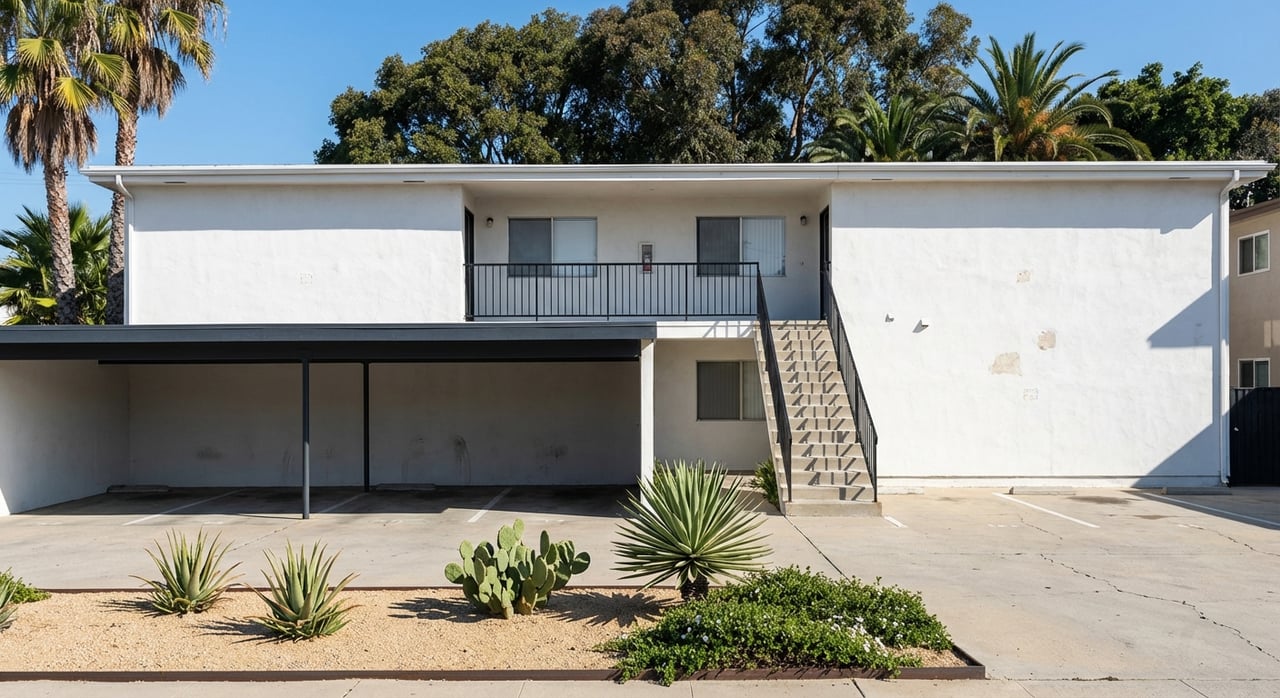
Pricing a small apartment building is where strategy meets math. Price too high and you sit. Price too low and you leave money on the table. If you own a 4–12 unit building in Torrance, you face a buyer pool that is analytical and selective, plus local rules that directly shape value. In this guide, you’ll learn how buyers price in this submarket, which factors move numbers up or down, a simple valuation model you can run, and the steps to prepare for a strong sale. Let’s dive in.
Torrance pricing today: what to know
Buyer underwriting in Los Angeles County is active again, and pricing has split by submarket and asset quality. For stabilized, well‑located product, buyers often underwrite cap rates in the mid‑4 to mid‑5 percent range. In Torrance, recent small‑building listings and sales show a wide spread, with price per unit often in the roughly 250,000 to 450,000 range and GRMs from the low teens up to about 20, depending on unit mix, condition, and in‑place rents. These are benchmarks, not guarantees, and each property will pencil differently.
Local rent levels help set your revenue ceiling. Advertised one‑bedroom asking rents in Torrance often land in the low‑to‑mid $2,000s, with two‑bedrooms roughly $2,500 to $3,200 depending on the neighborhood and building quality. Use live rent comps when you underwrite to stay current on the block‑by‑block picture. You can sanity‑check the market using recent Torrance listings on rental platforms like Zumper’s local pages for the city.
How buyers price small apartments
Cap rate math
Cap rate is the backbone of most offers. The core formula is simple: price equals net operating income divided by cap rate. Buyers set a required yield, then flex for asset risk and loan terms. If two buildings have the same NOI, the one a buyer sees as less risky will command a lower cap rate and a higher price. Learn the definition and the math basics in a quick primer on capitalization rate.
GRM screen
GRM is a fast filter that many small‑asset buyers use early. The formula is price equals gross annual rent multiplied by the GRM. It ignores expenses, so it is a screening tool, not final underwriting. If your GRM is far off local norms, buyers will flag it and then test whether expenses justify the gap. For a quick overview, see what a Gross Rent Multiplier is.
Price per unit and per foot
Price per unit is an easy shorthand in Torrance. It only works when you normalize for unit mix and rents. A 6‑unit with large 2BRs and parking is not apples‑to‑apples with a 6‑unit of small 1BRs with limited parking. Use it to compare like to like after you adjust for income potential.
A simple underwriting flow
- Gather your rent roll and compute effective gross income (EGI) by applying a vacancy and credit loss allowance.
- Deduct operating expenses to get NOI. On small assets, 30 to 45 percent of EGI for expenses is common, but utilities, insurance, and taxes can swing this.
- Apply a market cap rate to NOI to get an implied value. Cross‑check with a market GRM. For a quick valuation overview, see this Investopedia primer on valuing income property.
Worked example (illustrative)
- In‑place gross rent: 150,000 per year. Vacancy at 5 percent gives EGI of 142,500.
- If operating expenses are 38 percent of EGI, NOI is about 88,350.
- At a 5.0 percent cap, implied price is about 1,767,000, which is roughly 294,000 per unit for a 6‑unit.
- If you also test a market GRM of 13, the quick value check is 1,950,000. The gap reflects expense assumptions. Reconcile both in any pricing conversation.
Local drivers that move value
Rent caps and just‑cause rules
California’s Tenant Protection Act, AB 1482, caps annual rent increases at 5 percent plus regional CPI up to a 10 percent ceiling. It also imposes just‑cause protections and certain relocation obligations for no‑fault terminations. Torrance does not have a broad city rent‑stabilization program like the City of Los Angeles, so AB 1482 is the default for most local multi‑unit properties. Confirm coverage or exemptions unit by unit, and include proper disclosures. Read the statute summary text for AB 1482.
If a parcel sits inside Los Angeles city limits, different rules apply. LA’s RSO and recent updates can affect rent growth assumptions. Verify jurisdiction and review the City’s renter protections page if your property is in Los Angeles.
Why it matters: rent regulation narrows rent growth assumptions and often pushes required cap rates higher. Buyers price this risk.
Building condition and SB 721
Condition is a value lever. Roof, plumbing, electrical, life‑safety systems, and water intrusion issues all change pricing and timeline. For buildings with exterior elevated elements, SB 721 requires inspections and remediation on set cycles. Buyers and lenders will ask for your SB 721 report. If you have open items, expect escrow holdbacks or a price adjustment. Get up to speed on the SB 721 inspection requirements.
Insurance is another stress point in California. Rising premiums compress NOI and can spook lenders. Recent renewal quotes and policy details help defend your numbers. For context on market strain, see this nonprofit overview of insurance challenges in California.
Unit mix and parking
Unit mix drives revenue per door. All else equal, 2BRs command higher rent than studios or small 1BRs, which can lift price per unit. Parking ratios matter in the South Bay. A higher stall‑per‑unit count, or the ability to add parking, is a frequent pricing premium.
Local rent comps help set realistic pro formas. Advertised Torrance 1BR rents are often in the low‑to‑mid $2,000s, with 2BRs roughly $2,500 to $3,200. You can scan live listings on platforms like Zumper’s Torrance pages to sanity‑check assumptions.
ADU or SB 9 potential
State ADU and SB 9 rules can create upside if you can legally and physically add units. Buyers will underwrite the timeline, costs, and permitting risk, so documented feasibility matters more than theoretical capacity. For background on statewide ADU policy, see this overview on ADU development.
Buyer pool and financing right now
Who buys 4–12 units
Most Torrance small‑asset deals trade to local owner‑operators, 1031 exchange buyers, and small private funds. Owner‑operators sometimes accept lower cap rates because they plan to self‑manage and optimize expenses.
Lending terms buyers face
For 5+ unit deals, Fannie and Freddie small‑balance programs are common, along with bank and credit union loans. Recent quotes for small‑balance multifamily often fall in the mid‑5 to low‑6 percent range for 5 to 10 year fixed terms, but rates move. Lenders will scrutinize sponsor experience, rent rolls, collections, and property condition. See program basics for Freddie Mac Small Balance Loans.
When financing tightens or rates rise, buyers demand higher cap rates. That directly lowers price.
Taxes and deal costs
Confirm whether your property is in the City of Los Angeles or the City of Torrance. LA City’s Measure ULA adds a transfer tax on sales above set thresholds. Torrance is a separate city, so ULA does not apply there. Boundary mistakes can change net proceeds. Review the City’s Measure ULA FAQ if you think the parcel might be in Los Angeles.
Build your asking price
Use a hybrid approach that mirrors buyer math:
Run a GRM screen. Compare your gross rent times a market GRM to recent Torrance deals with a similar unit mix and condition.
Model NOI and a cap rate. Apply a realistic vacancy factor and expense ratio to your rent roll to derive NOI, then divide by a cap rate consistent with similar South Bay assets. Cross‑check the GRM and cap‑rate results. If they disagree, dig into expenses, rent roll strength, and upcoming capex.
Adjust for value drivers. Add or subtract for unit mix quality, parking, AB 1482 exposure, SB 721 findings, insurance costs, and any verified ADU or SB 9 potential.
Test buyer sensitivity. Ask your broker to layer in current loan terms. A 50 to 75 basis point move in rates can shift buyer returns and price.
Seller playbook: 6–18 months out
0–30 days: diagnose and plan
- Assemble a clean digital file: detailed rent roll, T‑12 and YTD financials, recent tax bills, insurance declarations, 12 months of utilities, capex history, and permits. A simple data room makes diligence smoother. For setup tips, see this guide to building a real estate data room.
- Order a Torrance‑focused broker CMA that covers both GRM screens and NOI/cap‑rate valuation.
30–90 days: remove uncertainty
- Order the SB 721 inspection if you have exterior elevated elements and 3 or more units. Complete any urgent items before listing. Learn more about SB 721 timelines and scope.
- Tackle targeted, visible repairs: safety items, water intrusion, paint and flooring in a few units for showings, and basic landscaping refresh.
60–120 days: financial housekeeping
- Normalize and document NOI: invoices for major expenses, laundry contracts, proof of utility allocations, and a clear pro forma showing stabilized vs in‑place rents.
- Prepare an offering memorandum and a secure data room that matches lender checklists.
- Pre‑qualify interested buyers and request proof of funds before tours.
Listing to contract
- Expect 60 to 120 days on market for most small assets. Financing adds 30 to 45 days for underwriting and site inspections once you pick a buyer. Cash can close faster but often expects a discount for speed.
Pricing checklist buyers apply
- Expense normalization: buyers adjust one‑off or unusual expenses. Keep receipts and explanations ready.
- Vacancy and rent upside: buyers model loss‑to‑lease and the cost to re‑tenant. Be clear about realistic market rents and any planned upgrades.
- Deferred maintenance: open SB 721 or big‑ticket items are often priced as deductions or escrow holdbacks.
- Rent‑control exposure: LA City RSO vs AB 1482 coverage leads to different rent growth assumptions. Confirm jurisdiction and disclose accordingly.
- Insurance costs: high premiums compress NOI and can reduce offers. Provide renewal quotes.
A clear, well‑documented Torrance asset with strong collections, realistic pro formas, and clean compliance often wins a lower cap rate and a higher price. If you remove uncertainty early, you create competition.
Ready to talk strategy for your building or 1031 timeline? Connect with Jack McCann to request a pricing analysis or schedule a 1031 planning call.
FAQs
How do buyers in Torrance use cap rate?
- Buyers divide your NOI by a market cap rate to set price, then test returns against current loan terms and risk factors like AB 1482 and SB 721.
What is a typical GRM for Torrance small apartments?
- Recent Torrance 4–12 unit listings and sales often show GRMs from the low teens to about 20, but unit mix, rents, and condition can move that range.
How does AB 1482 affect my Torrance sale?
- AB 1482 caps annual increases and adds just‑cause rules, which lowers underwritten rent growth and can push buyers to require higher cap rates; verify coverage and disclose.
Do I need an SB 721 inspection before listing?
- If your building has 3 or more units with exterior elevated elements, buyers and lenders will expect the SB 721 report; unresolved items may trigger price reductions or holdbacks.
Who typically buys 4–12 unit buildings in Torrance?
- Local owner‑operators, 1031 exchange buyers, and small private funds are most common, and they often favor well‑documented assets with clear rent upside.
Does LA City’s Measure ULA apply in Torrance?
- No; Torrance is a separate city. Confirm boundaries first, since parcels with Los Angeles city addresses can be subject to ULA transfer taxes if inside LA limits.