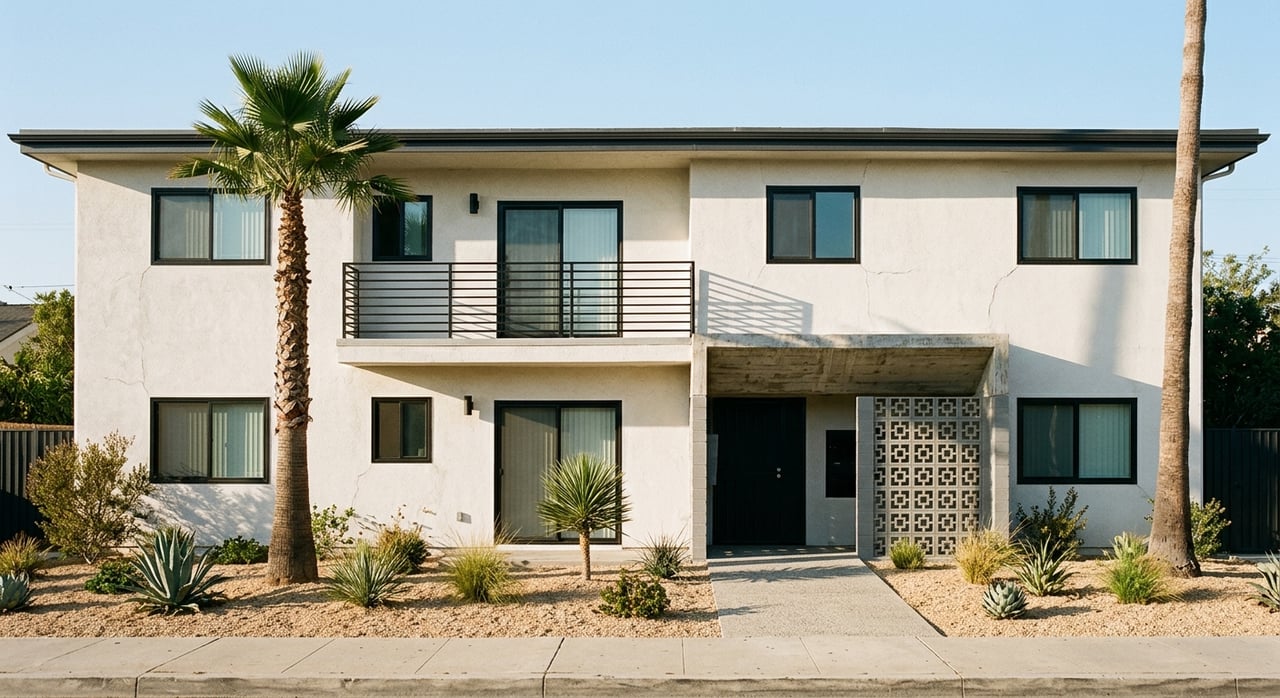
If you are selling a Long Beach apartment building, 1031 exchange buyers can be one of the most motivated groups in the market. They are often working against strict IRS deadlines, which means they value listings that are clear, complete, and easy to underwrite. When your marketing speaks to that urgency and removes friction early, you put your property in a stronger position to attract serious offers. Let’s dive in.
Why 1031 buyers move fast
A deferred 1031 exchange comes with a tight clock. Under IRS exchange rules, a buyer must identify replacement property within 45 days and complete the purchase within 180 days, or by the tax return due date if earlier.
That timeline shapes how exchange buyers shop. In most cases, they are not looking for a listing that requires weeks of back-and-forth just to understand the income, expenses, or tenant situation. They are looking for a property they can review quickly, validate, and move on with confidence.
That is also why this buyer pool matters for Long Beach apartment sellers. According to NAR’s coverage of 1031 activity, exchange participants are not limited to large institutions, and many transactions involve smaller owners. For sellers of small-to-mid multifamily assets, that creates a meaningful and active audience.
Long Beach market context buyers watch
Exchange buyers still underwrite carefully, even when they need to move quickly. In Long Beach, they will pay close attention to current income, occupancy stability, and how local rules may affect future operations.
In the broader Los Angeles-Long Beach-Anaheim multifamily market, HUD reported a 4.6% stabilized apartment vacancy rate in Q2 2025 and average monthly rent of $2,414. That same HUD source notes a relatively tight market, and a February 2026 snapshot in the report placed average Long Beach apartment rent at about $2,645.
For you as a seller, those figures matter because buyers will focus on whether your asset is already producing dependable cash flow. In a market with moderate vacancy and solid rent levels, many exchange buyers will prioritize stability over a story that depends on major future changes.
Long Beach regulations affect underwriting
Local tenant protections are not a side issue in Long Beach. They can directly affect how a buyer models turnover, rent growth, and timing.
The City of Long Beach states that its tenant and landlord resources include just-cause rules that apply to most rental properties for tenants with 12 months or more of continuous lawful occupancy, along with notice and relocation requirements in certain no-fault situations. The city also notes that some newer properties built within the previous 15 years are exempt from the local just-cause ordinance.
The same city resource explains that Long Beach relocation-assistance rules apply to certain multifamily buildings with at least four units built before February 1, 1995. It also states that AB 1482 caps rents at 5% plus inflation.
For marketing purposes, the takeaway is simple. Buyers do not need a perfect story, but they do need a clear one. If your property is subject to these rules, disclosing that upfront helps reduce uncertainty and supports more credible pricing and underwriting.
Lead with the rent roll
When you market to 1031 exchange buyers, your listing should lead with financial clarity. The first question is usually not cosmetic appeal. It is whether the current income is documented and believable.
Fannie Mae’s multifamily rent roll guidance is a helpful benchmark because it centers on a certified rent roll and the data fields lenders expect to review. The same guidance supports the broader point that complete and current income documentation helps move a deal forward.
Your marketing package should make it easy for a buyer to answer basic underwriting questions quickly. That usually means including:
- A current rent roll
- Trailing 12-month operating history
- Copies of leases
- Clear expense history
- Occupancy and rent collection details
- Recent capital improvements
- Material compliance history
- Existing debt terms, if relevant
When these items are organized from day one, buyers can spend less time chasing documents and more time evaluating price and fit. For exchange buyers facing IRS deadlines, that can make a real difference.
Show stability before upside
It is tempting to market a Long Beach apartment deal mainly on future rent growth or repositioning potential. But with exchange buyers, the better strategy is usually to present current stability first and upside second.
That approach fits both the deadline pressure of a 1031 exchange and the realities of lender diligence. The IRS timing rules reward speed, but buyers and lenders still need a property they can understand without guesswork. If your current occupancy, lease profile, and operating history are easy to read, buyers are more likely to engage quickly.
Upside still matters, especially in a market where rents and vacancy levels support investment demand. But upside works best as a secondary layer after you have already proven the asset’s current performance.
Highlight assumable debt when available
If your apartment property has assumable agency debt, that should be featured prominently in the marketing. It is not relevant in every listing, but when it exists, it can be important to a 1031 buyer trying to preserve cash flow and move efficiently.
The research report notes recent NAR coverage describing assumable Fannie Mae debt as a potential cash flow benefit in a 1031 transaction. In practical terms, that can help your property stand out if debt terms are favorable and clearly presented.
The key is to present the facts cleanly. Buyers will want to know the loan type, rate, maturity, and any assumption requirements. If those details are available early, they can strengthen the listing’s appeal.
Use the right distribution channels
Even a strong offering memorandum can underperform if it does not reach the right audience quickly. For Long Beach apartment listings aimed at exchange buyers, distribution should combine broad commercial exposure with targeted broker and advisor outreach.
According to CoStar’s listing exposure overview, listings can gain visibility across CoStar, LoopNet, CityFeet, and Showcase. That kind of reach matters because exchange buyers are often connected through commercial brokerage channels and may be searching across several platforms at once.
But portal exposure alone is usually not enough. The Federation of Exchange Accommodators describes itself as the national trade organization for qualified intermediaries and related advisors, with a member base that includes QIs, tax and legal counsel, brokers, title companies, and escrow agents. That makes advisor outreach especially useful when you want to surface buyers with exchange deadlines already in motion.
The CCIM Institute also offers a large commercial real estate network, with more than 13,000 members and 59 chapters. For apartment sellers, that supports broker-to-broker exposure and helps circulate a listing among active investment professionals.
A practical launch sequence
The most effective 1031 marketing is usually organized before the property goes fully public. A rushed launch with incomplete information can waste the very urgency you are trying to capture.
A practical sequence often looks like this:
- Prepare the financial package and data room
- Confirm property details, tenant information, and compliance disclosures
- Pre-market to qualified intermediaries, brokers, and local multifamily lenders
- Launch a clean OM through major commercial listing channels
- Follow with direct outreach to investors and brokers who may have exchange buyers in process
- Set a clear offer-review timeline
This type of process supports both control and speed. It gives buyers enough information to act while keeping the sale organized and competitive.
Build a clean data room
A tightly managed data room can be one of the biggest advantages in a 1031-focused sale. It helps answer the same questions from multiple buyers, keeps information consistent, and shortens the path from interest to offer.
At a minimum, your data room should cover current occupancy, lease expirations, average rents, operating margin, recent capital work, and known regulatory constraints. In Long Beach, that also means clearly addressing whether the property is subject to local just-cause protections, relocation assistance rules, or AB 1482 limits, based on the city’s published guidance.
This does more than save time. It signals that the sale process is professional, transparent, and lender-ready. For exchange buyers, that can increase confidence and reduce the odds that they shift attention to another property.
Control the process without slowing it down
A common mistake is confusing a controlled sale with a quiet sale. In reality, the best outcome often comes from broad but disciplined exposure.
You want enough distribution to create competition, but not so much confusion that buyers receive mixed information or uncertain timelines. A clear offering memorandum, an organized data room, and a firm offer-review schedule usually create a better experience for both buyers and sellers.
That balance is especially important when the buyer pool includes exchange capital. These buyers often have real urgency, but they still need a credible path to closing. If your marketing package, disclosures, and communication are aligned from the start, your property is far more likely to attract serious action.
If you are planning to sell a Long Beach apartment building and want to position it for 1031 exchange demand, working with a broker who understands both multifamily underwriting and exchange-driven timelines can make a meaningful difference. To discuss strategy, pricing, and investor-ready marketing, connect with Jack McCann.
FAQs
What makes 1031 exchange buyers important for Long Beach apartment sellers?
- 1031 buyers often face strict IRS identification and closing deadlines, so they tend to focus on properties with clear financials, organized documents, and a credible path to closing.
What documents should a Long Beach apartment listing include for 1031 buyers?
- A strong package usually includes a current rent roll, trailing 12-month operating history, leases, expense history, occupancy details, recent capital improvements, and any material compliance information.
How do Long Beach tenant rules affect apartment marketing?
- Local just-cause, relocation-assistance rules, and AB 1482 rent caps can affect underwriting assumptions, so buyers usually respond better when those items are disclosed clearly at the start.
Where should a Long Beach apartment property be marketed to reach 1031 buyers?
- Broad commercial exposure through major CRE listing channels, combined with direct outreach to brokers, qualified intermediaries, and exchange-connected advisors, is often the most effective approach.
Why does a data room matter in a 1031 apartment sale?
- A clean data room helps buyers and lenders review the property faster, keeps information consistent, and reduces delays during a transaction with time-sensitive exchange deadlines.