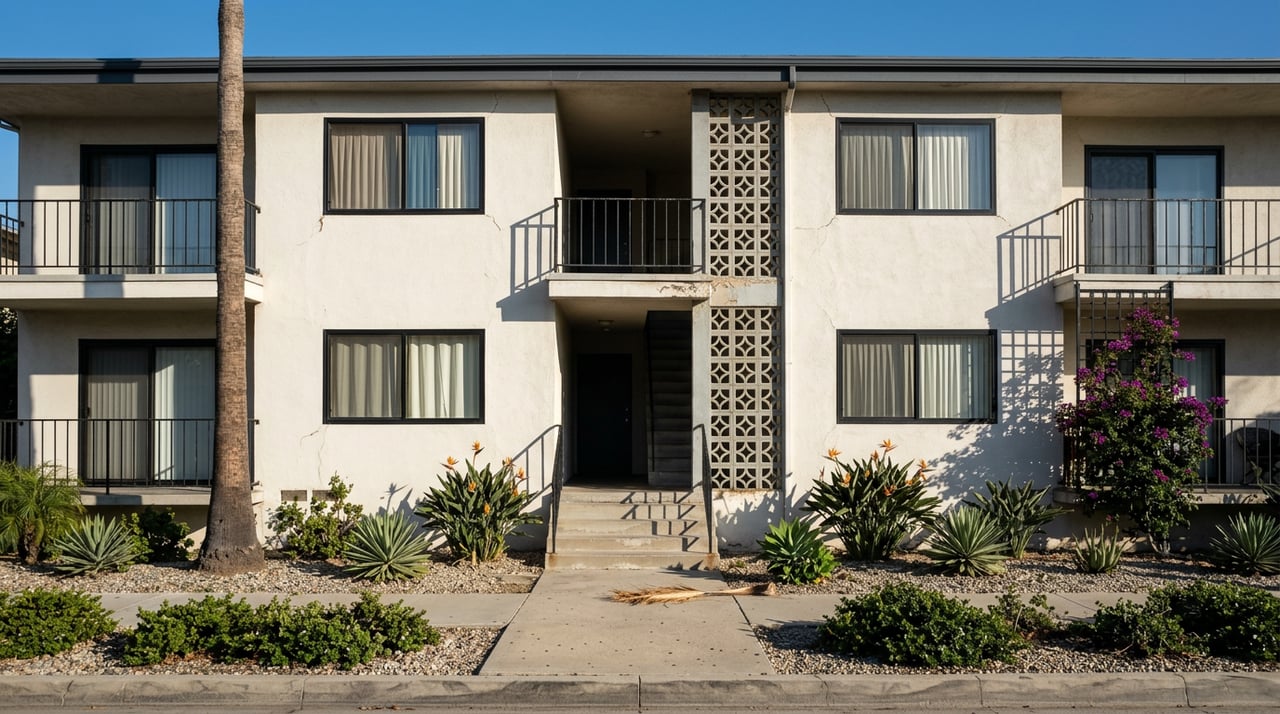
Hunting for reliable upside in a coastal market with real renter demand? Long Beach offers a deep bench of older buildings, steady demand anchors, and submarkets where targeted renovations can move the needle on NOI. If you are pursuing a value-add play, you need neighborhood-level rent comps, realistic capex bands, and a clear read on timelines and tenant protections. This guide breaks down the most actionable Long Beach submarkets for value-add, what to upgrade, expected rent bands, and how to plan your numbers with confidence. Let’s dive in.
Why Long Beach works for value-add
Long Beach is a mature rental city with a high renter share and active housing policies aimed at improving and preserving rental housing. The City’s Housing Element outlines the renter-heavy landscape and programs that can affect approvals and supply over time. You can review those foundations in the City’s own materials on the 2021–2029 Housing Element.
Demand is anchored by the Port of Long Beach, a growing downtown housing pipeline, and California State University, Long Beach. Recent downtown projects such as the Alexan West End are raising the local amenity bar and shaping expectations nearby. That creates a window for you to reposition older assets to compete with newer supply, especially in walkable, transit-oriented pockets. See how the pipeline is taking shape in coverage of Alexan West End in Downtown Long Beach.
On pricing and income, recent platform snapshots peg citywide average advertised rents around the mid $2,600s per month. You can validate this with live data on RentCafe’s Long Beach page. Cap rates have repriced since 2022, and regional reports show Los Angeles metro multifamily averages in the mid 5 percent range in 2024–2025, with value-add and smaller assets often trading higher. For context, see the latest Los Angeles County multifamily market report.
Where to hunt: submarket playbook
Downtown, Waterfront, and Willmore City
Downtown is dense and evolving, with a mix of mid-century buildings and new luxury mid to high-rises. Inventory is professionally managed and increasingly amenity driven. Asking rents in 90802 often sit in the upper city range, with wide spreads by class and finish. You can scan current listings and medians on RentCafe’s 90802 page.
Value-add levers here focus on interior modernization and amenity parity. Think kitchens and baths, durable flooring, access control, EV charging where feasible, package solutions, pet services, and refreshed common areas. Because downtown renters compare you to new builds, per-unit scopes trend larger. A practical range for meaningful downtown repositioning is roughly 25,000 to 75,000 dollars per unit or more, with potential rent lifts of 15 to 35 percent if you can credibly compete with top-of-market peers. Validate your exact scope with local GC bids and a realistic lease-up cadence.
East Long Beach and the CSULB corridor
East Long Beach is a classic value-add target thanks to its 1950s–1970s garden stock and steady student and university-adjacent demand. Turnover concentrates around the academic calendar, which you can leverage with well-timed turns and preleasing. For a live view of campus-adjacent listings, review Zumper’s CSULB area feed.
Plays that work well include adding or upgrading in-unit laundry where possible, mid-grade kitchen and bath refreshes, improved lighting and security, and roommate-friendly layouts and furniture packages. Capex bands here span from light turns around 5,000 to 12,000 dollars per unit for short-cycle gains of 5 to 15 percent, to moderate kitchen and bath refreshes at roughly 12,000 to 30,000 dollars per unit to target 15 to 30 percent improvements. If you consider deeper reconfiguration, confirm zoning and permitting before underwriting any bedroom adds.
Belmont Shore, Alamitos Beach, and Naples
These coastal neighborhoods are walkable, retail-rich, and command premium rents. Boutique buildings dominate over large garden assets, and tenants tend to pay for proximity and finish. In recent snapshots, 90803 one-bedrooms often sit near the mid $2,000s and two-bedrooms in the low to mid $3,000s. You can validate with current listings on RentCafe’s 90803 page.
Value-add here is less about basic C to B and more about elevating boutique product. Focus on high-quality interior finishes, in-unit laundry, parking upgrades, landscaping, and targeted accessibility and energy improvements. Acquisition pricing is higher, but so are achievable rents when you present a crisp, well-finished product.
Bixby Knolls, California Heights, and Los Cerritos
These established inland neighborhoods offer smaller mid-century buildings and stable renter demand. Asking rents often track around the city average to slightly above, depending on the block and condition. Scan the city-level data for orientation on current Long Beach averages.
Your renovation plan should emphasize durable finishes, refreshed exteriors, improved parking and landscaping, and targeted unit upgrades that lower maintenance calls and lift marketing photos. Typical mid-range scopes land around 10,000 to 30,000 dollars per unit. Expect steadier tenancy compared with student-adjacent areas, so plan turns with sensitivity to occupancy and in-place rent lift schedules.
North Long Beach and West Long Beach
These submarkets serve a broad local workforce and include a high concentration of older, Class C inventory. They often present the most accessible acquisition pricing and clear operational lift opportunities. Advertised asking rents tend to be lower than coastal areas, with many 1-bedroom medians in the roughly 1,700 to 2,200 dollar band in zips like 90805. You can spot-check today’s medians on RentCafe’s 90805 page. Regional reports also note the prevalence of Class C stock across these areas, which aligns with practical value-add execution. See broader metro context in this Los Angeles County multifamily report.
Your playbook starts with habitability and systems: plumbing stack repairs, roof, electrical capacity and separate metering where feasible, brighter lighting, high-security hardware, and resilient finishes like LVP. These properties often respond well to professionalized management, better leasing, and simple amenities such as improved laundry. Plan for 10,000 to 40,000 dollars per unit depending on deferred maintenance, and target 10 to 25 percent rent gains when you address core systems and curb appeal. Broker offerings in this area frequently cite rent upside in the mid-teens as a baseline, so underwrite conservatively and validate with live comps.
Wrigley, Zaferia, and Poly corridor pockets
These east-central neighborhoods mix bungalow districts, small plexes, and micro retail nodes like Retro Row and Zaferia. The renter base values character, walkability, and local amenities at a relative discount to the coast.
Modest interior upgrades and visible exterior work can punch above their weight here. Think fresh exteriors, entry updates, signage, lighting, and strategic storefront activation where you have mixed-use. Unit scopes can stay moderate while still achieving meaningful effective rent gains as your photos, branding, and finishes elevate the asset into the top tier of neighborhood comps.
Renovation scope and rent gain expectations
A simple three-tier framework can help you plan costs and expected upside:
- Light cosmetic turns, quick lease-up: paint, LVP flooring, baseboards, new appliances, and light kitchen or bath cosmetic work. Budget roughly 3,000 to 12,000 dollars per unit and model 5 to 15 percent rent lift when comparable to neighborhood comps.
- Moderate reposition for sustained improvements: cabinet fronts or semi-custom cabinets, counters, bath refresh, mid-range fixtures, selective plumbing stack or electrical repairs, and in-unit washer or dryer where feasible. Budget roughly 12,000 to 35,000 dollars per unit and model 15 to 30 percent rent lift when aligned with renovated comps.
- Deep or gut rehab for a re-class: full kitchen and bath rebuilds, new MEP systems, windows, roof, layout changes, and parking or accessibility work. Budget 35,000 to 100,000 dollars per unit or more, with upside dependent on reaching a higher class of rent comps.
These ranges align with national component cost data for kitchen and bath projects and should be localized with GC bids. For component-level references, review a current kitchen and bath cost guide.
Common-area and soft costs matter too. Pools, landscaping, lobby refreshes, laundry or small fitness rooms can require 1,000 to 8,000 dollars per unit when allocated across the building. Plan for architect and engineering, permits, and potential relocation assistance under state and local rules. California’s Tenant Protection Act and Long Beach’s local protections set just-cause and relocation standards that may affect timelines and budgets. For a practical overview, see this summary of Long Beach tenant rights and relocation rules. Always confirm details with local counsel.
Underwriting moves that protect your IRR
Use these checks to keep your model grounded in today’s market conditions:
- Physical systems first: confirm roof age, plumbing stack condition, panel capacity, water heater status, HVAC, and any hazardous materials. Older mid-century stock often needs plumbing and electrical attention. Budget reserves for urgent repairs.
- Permit and relocation planning: determine whether AB 1482 and local rules apply, and budget relocation assistance or buyouts if you plan no-fault vacancies for substantial renovations. Align notice periods and scopes with counsel.
- Rent comps and lease-up: pull active renovated comps by zip and micro-neighborhood, confirm gross versus effective rent after concessions, and model a conservative lease-up cadence of 3 to 9 months based on unit mix and seasonality. Start with RentCafe’s city and zip pages and supplement with other major platforms.
- Operational upside: tighten branding, marketing, and management. Consider RUBS or submetering where appropriate, monetize parking, storage, laundry, and small services like bike storage or pet amenities.
- Sensitivity testing: run scenarios for 10 to 20 percent capex cost escalation, a 6 to 12 month lease-up, and plus or minus 150 to 300 basis points on exit cap rates. In a repriced financing environment, these swings can move IRR materially.
Timeline planning you can bank on
- Light turns: 2 to 8 weeks per unit in a staggered production run. Suitable for quick rent bumps where occupancy is a priority.
- Moderate rehabs: 1 to 3 months per unit when bundled in a production schedule. Best for durable rent gains aligned to renovated comps.
- Deep rehabs: 3 to 9 months or more depending on permits, subcontractor queues, and any structural or environmental remediation.
If you are targeting the CSULB corridor, plan scopes and marketing to align with the August to September move-in cycle. Preleasing with clear finish schedules helps lock in demand early.
Position your next move
Long Beach rewards value-add investors who pair street-level submarket knowledge with disciplined scopes and compliant execution. Start with a clear view of your target rent band by neighborhood, set a capex plan that fits the local comp set, and build a timeline that respects permits and protections. If you want a second set of eyes on your underwriting or you need a tax-aware disposition and 1031 game plan, schedule a 1031 strategy call with Jack McCann and get a local, investor-first view of the deal landscape.
FAQs
What cap rates should I underwrite for Long Beach value-add deals?
- Regional reports show Los Angeles metro averages in the mid 5 percent range in 2024 to 2025, with smaller value-add assets often trading higher. Use current quarter broker reports and live deal comps for your exact assumptions.
How much rent upside is realistic after renovating in Long Beach?
- As a starting point, model 5 to 15 percent for light cosmetic work, 15 to 30 percent for moderate kitchen and bath upgrades with select systems work, and higher potential for deep rehabs that re-class the asset, subject to neighborhood comps and finish quality.
How do tenant protections in Long Beach affect renovation timelines?
- California’s Tenant Protection Act and local just-cause and relocation rules may apply. Budget for relocation where required, align notice timing with scopes, and confirm exemptions with counsel before planning no-fault turnover.
Which Long Beach submarkets fit 4 to 12 unit value-add targets?
- Look at Bixby Knolls and adjacent inland neighborhoods for stable, smaller buildings, Wrigley and Zaferia for boutique repositioning at accessible pricing, and North Long Beach for operational lifts on older garden stock.
How should I time renovations near CSULB for best lease-up?
- Aim to complete light to moderate turns before the August to September move-in cycle, prelease aggressively, and consider roommate-friendly layouts and furnishings to capture student-driven demand.