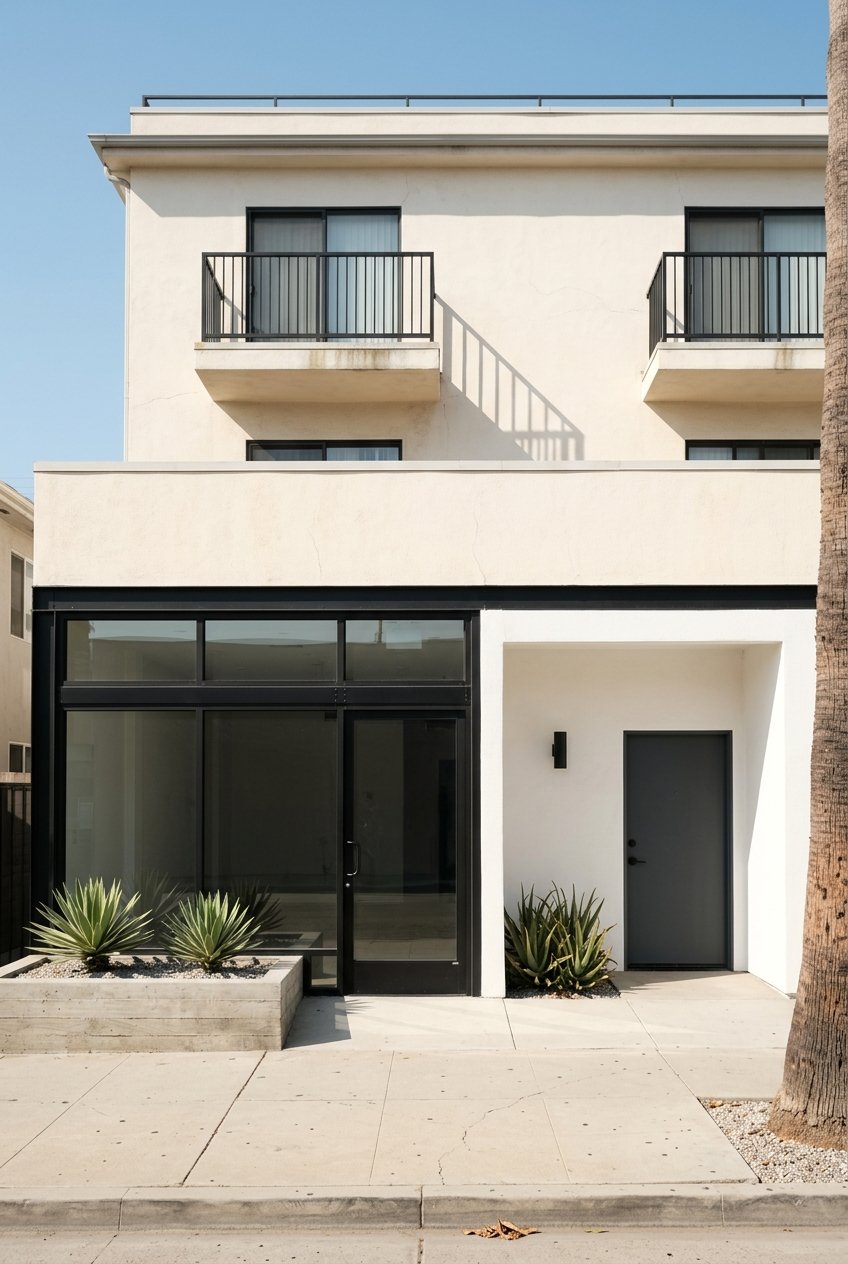
Mixed-use deals in Long Beach can look great on a flyer and still fall apart in underwriting. A building with apartments over storefronts may promise multiple income streams, but it also brings extra layers of zoning, parking, leasing, and capital risk that pure multifamily assets do not. If you want to size risk correctly before you price the deal, this guide will show you how to underwrite a Long Beach mixed-use apartment property with a sharper, more local lens. Let’s dive in.
Start With Zoning and Site Risk
Before you model rents or debate cap rate, confirm what the site can legally support. Long Beach’s current Title 22 standards for mixed-use and commercial zones include ground-floor activating-use requirements, frontage and setback rules, and open-space standards. The city also notes that residential projects with 10 or more units, commercial projects of 1,000 square feet or more, and adaptive-reuse projects can trigger Site Plan Review.
For underwriting, that means entitlement timing and design compliance are real line items. If a proposed layout does not fit current standards, you may need architectural changes, additional review time, and a larger predevelopment budget. Those costs can materially change your basis long before the property reaches stabilized NOI.
Check Parking Early
Parking is one of the biggest swing factors in Long Beach mixed-use feasibility. The city’s Parking Exempt Area map implements AB 2097 and generally prevents minimum auto parking counts for most projects within a half-mile of major transit stops, though the city notes carve-outs such as hotels and other transient lodging. If the property is outside the exempt area, the city directs users to Chapter 21.41.
That matters because parking can decide whether the commercial space works at all. A storefront that looks financeable on paper may become harder to lease if parking is constrained, while a site inside the exempt area may unlock a more efficient design or reduce construction cost. Underwriting should reflect that difference from day one.
Separate Apartment and Retail Income
A common underwriting mistake is blending all revenue into one clean pro forma. In Long Beach, that shortcut can hide risk. The apartment units and the commercial space should be treated as separate income streams with different vacancy, lease-up, rollover, and expense assumptions.
On the residential side, Long Beach says its Just Cause ordinance applies to most rental properties after 12 months of lawful occupancy and works alongside AB 1482. The city also states that AB 1482 caps annual increases at 5 percent plus inflation, and that substantial remodel or demolition can trigger a 60-day notice and relocation assistance of $4,500 or two months’ rent, whichever is greater, for qualifying tenants.
If your value-add plan assumes fast turnover and major rent resets, slow that down. In Long Beach, tenant protections can extend timelines and increase displacement-related costs. A realistic apartment underwriting model should reflect slower unit conversion, more measured rent growth assumptions, and possible relocation expense if major work is part of the plan.
Underwrite Storefronts as Their Own Business Line
The commercial portion deserves its own rent roll logic. That means separate assumptions for:
- Market rent per square foot
- Vacancy and downtime
- Tenant improvements
- Leasing commissions
- Free rent or concessions
- Lease rollover timing
- Credit quality of in-place tenants
This matters even more in the current Long Beach environment. In a May 2025 city memo, Long Beach estimated more than 500 vacant storefronts citywide and noted that retail vacancies have grown since 2020. That does not mean every ground-floor space is weak, but it does support a conservative lease-up outlook unless the location, use, and tenant profile are already proven.
Freddie Mac’s multifamily guidance reinforces the same point. It treats commercial space as a distinct underwriting item that must be permitted by zoning, compatible with the property and surrounding area, and supported by market comparisons. In practice, you should not simply fold storefront income into apartment NOI and call it stabilized.
Focus on Tenant Mix and Operational Fit
Not all commercial tenants create the same risk. In Long Beach mixed-use, tenant mix should be underwritten for both economics and operational fit. The city’s mixed-use standards emphasize activating ground-floor uses that support pedestrian activity, and lender guidance also looks at whether the commercial use is compatible with the property and surrounding area.
That pushes you toward a simple underwriting question: does this use fit the block and the building? A neighborhood-serving use with straightforward buildout needs will often be easier to support than a use that creates odor, late-night traffic, delivery conflicts, or heavy infrastructure costs. A higher pro forma rent is not always the better choice if the operational friction is materially higher.
Stress Test the Downside
Mixed-use downside usually starts on the commercial side, not the apartment side. If a storefront goes dark, releasing may take longer, require more capital, and create more income volatility than apartment turnover. Your underwriting should reflect that by stress testing lower commercial occupancy and longer downtime.
A useful framework is to ask:
- What happens if the storefront sits vacant longer than expected?
- How much tenant improvement capital will a new lease require?
- Is the in-place rent actually market-supported?
- Does one commercial tenant account for an outsized share of NOI?
- Would the property still meet debt coverage if retail income weakens?
These questions help you identify whether the deal is truly mixed-use resilient or just apartment-heavy with a fragile retail assumption layered on top.
Build in Older Building Capex
Older Long Beach mixed-use buildings need extra scrutiny. The city states that the 2025 California Building Standards Code and Long Beach Municipal Code apply to projects approved on or after January 1, 2026. The city’s seismic program also notes that soft, weak, or open-front buildings are common in older structures and often have vulnerabilities at the ground floor.
That point is especially relevant in mixed-use buildings with open storefronts at street level. The ground-floor commercial design that makes the property attractive from a leasing standpoint can also create structural weakness that increases retrofit or reinforcement costs. If you are underwriting an older asset, capex should include realistic contingencies for structural review, code upgrades, and life-safety work.
Hidden Costs to Watch
In Long Beach, some of the most important underwriting misses show up outside the headline purchase price. Common examples include:
- Structural engineering and seismic review
- Code compliance upgrades
- Fire and life-safety improvements
- Design revisions tied to zoning standards
- Tenant relocation costs during major renovation
- Commercial tenant improvement packages
- Extended lease-up for vacant storefronts
If you do not carry these items early, your projected returns can look stronger than the real execution path supports.
Compare Financing to Pure Multifamily
A mixed-use building may still qualify for multifamily financing, but the lender and appraisal lens is usually tighter than it would be for a pure apartment asset. Fannie Mae says mixed-use appraisals must describe the property’s mixed-use characteristics, confirm that the use is legally permissible under local zoning, disclose any adverse impact on marketability, and value the asset based on its residential characteristics rather than special business-use modifications.
Freddie Mac similarly allows commercial space in multifamily properties when zoning permits it and when the commercial component is acceptable relative to income, square footage, and lease support. In plain terms, the farther the property leans toward commercial complexity, the more lender scrutiny you should expect.
Know the Practical Agency Benchmarks
For smaller assets, Freddie Mac’s Small Balance Loan program is a useful benchmark because it targets 5- to 50-unit buildings with loan sizes from $1 million to $7.5 million. Fannie Mae’s conventional multifamily guidance also provides a baseline for stabilized properties, including a minimum of five units, typically 90 percent stabilized occupancy for 90 days, up to 80 percent loan-to-value, and a minimum 1.25x debt service coverage ratio.
These benchmarks do not guarantee loan proceeds, but they help frame how financing may be evaluated. If your mixed-use deal has a large or weakly supported commercial component, expect a more bespoke review on income durability, lease support, and marketability.
A Simple Long Beach Underwriting Framework
If you want a cleaner way to evaluate a mixed-use apartment deal in Long Beach, use this sequence:
- Confirm zoning compliance for the existing or proposed use.
- Check parking status inside or outside the city’s parking exempt area.
- Model apartment income separately using realistic turnover and rent-growth assumptions.
- Model commercial income separately with conservative vacancy, TI, and rollover assumptions.
- Review tenant mix for compatibility with the building and block.
- Add older-building contingencies for structure, code, and life safety.
- Test lender fit based on unit count, stabilization, DSCR, and commercial concentration.
- Reconcile to NOI and returns only after each risk bucket is addressed.
That sequence helps keep you from overpaying for projected upside that may be slow, expensive, or difficult to finance.
Why Local Deal Packaging Matters
In a market like Long Beach, mixed-use underwriting works best when the information package is built for investors from the start. Clean rent rolls, separate residential and commercial assumptions, zoning context, and a realistic capex roadmap can shorten diligence and lead to better pricing discipline. That is especially important for smaller private investors and 1031 exchange buyers who need to move quickly without missing hidden risk.
If you are buying or selling a mixed-use asset, the goal is not just to tell a strong story. The goal is to present a deal in a way that survives real underwriting. For tailored guidance on Long Beach mixed-use and small multifamily opportunities, connect with Jack McCann with to request a property valuation or discuss your acquisition criteria.
FAQs
How should you underwrite apartment rents in a Long Beach mixed-use deal?
- Underwrite the residential units with Long Beach tenant rules in mind, including the city’s Just Cause guidance and AB 1482 rent cap framework, and avoid assuming rapid turnover or aggressive rent resets without support.
How should you underwrite commercial space in a Long Beach mixed-use building?
- Treat the storefronts as a separate income stream with their own vacancy, lease-up, tenant improvement, rollover, and rent assumptions rather than blending them into apartment income.
What Long Beach zoning issues matter most for mixed-use underwriting?
- Title 22 mixed-use and commercial standards, possible Site Plan Review triggers, frontage and setback rules, open-space standards, and parking treatment can all affect timeline, design, and cost.
What parking rules should you check for a Long Beach mixed-use property?
- First confirm whether the site falls inside the city’s Parking Exempt Area, because that can change parking requirements and materially affect the feasibility of the commercial program.
What hidden costs show up in older Long Beach mixed-use buildings?
- Common hidden costs include seismic or structural work, code upgrades, life-safety improvements, tenant relocation expense during major renovation, and higher-than-expected commercial buildout costs.
How do lenders view mixed-use apartment properties in Long Beach?
- Lenders and appraisers typically apply a stricter review than for pure multifamily, with close attention to zoning legality, commercial income support, marketability, stabilization, and debt coverage.