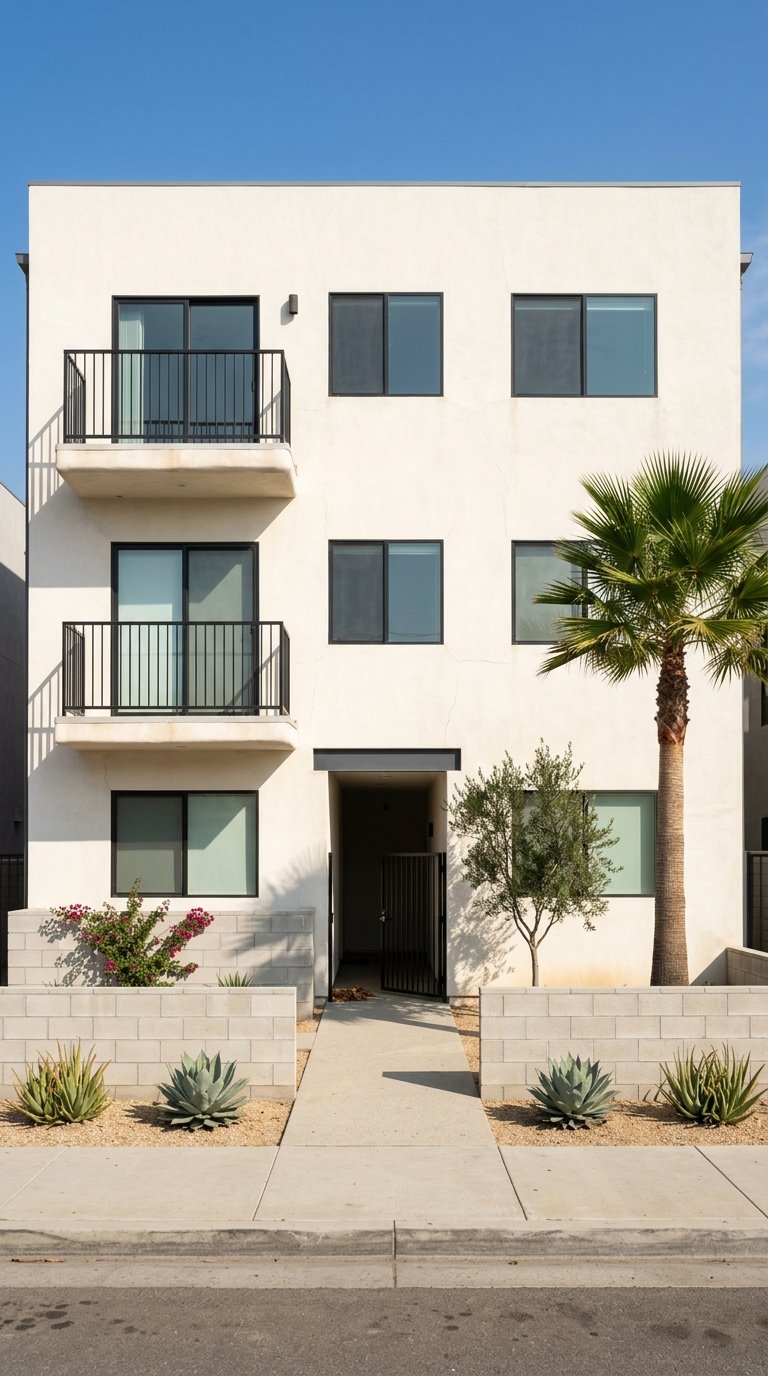
If you own investment property in Long Beach, the real question is not just whether to sell. It is whether your next move should keep your equity here or push it into another market. That decision gets more complicated when 1031 timing, local regulations, and portfolio concentration all start pulling in different directions. In this guide, you’ll get a practical way to think through the tradeoffs so you can decide whether to exchange out or double down in Long Beach. Let’s dive in.
Why This Choice Matters in Long Beach
For many owners, Long Beach sits in a middle ground that is hard to ignore. It offers a deep renter base, active housing policy, and multiple submarkets with very different investment profiles. At the same time, it operates in a more structured regulatory environment than many private owners expect.
That combination is what makes the decision meaningful. If you stay local, you may gain familiarity and easier market access. If you exchange out, you may reduce concentration risk, but you may also take on new reporting, tax, and operating complexity.
1031 Rules Set the Boundaries
Before you compare markets, you need to know the basic 1031 rules that shape the decision. Section 1031 applies to real property held for investment or for productive use in a trade or business. It does not apply to a primary residence or property held mainly for resale.
In a deferred exchange, you must identify your replacement property within 45 days and complete the purchase within 180 days or by your tax return due date, whichever comes first. The exchange is reported on IRS Form 8824. If you receive cash or other non-like-kind property, part of your gain may become taxable.
The good news is that like-kind rules are broad for qualifying real estate. A Long Beach investment property can be exchanged for other investment real estate even if the replacement asset differs in type, quality, or use. That means you may be able to move from a Long Beach apartment building into another California rental asset, a mixed-use property, land, or an out-of-state investment property, provided the use requirements are met.
California Adds a Key Layer
If you exchange a California property into an out-of-state replacement asset, California requires ongoing tracking of the deferred gain through Form FTB 3840. That filing is required in the exchange year and each later year until the California-source deferred gain is recognized.
That matters because exchanging out of Long Beach is not just a market decision. It can also become an ongoing compliance decision. For some owners, that is a manageable tradeoff. For others, staying in California may feel simpler.
Why Some Owners Double Down in Long Beach
Long Beach remains a meaningful home base for rental property owners because demand fundamentals are still real. The city reports that 60% of residents are renters, and Census QuickFacts shows an owner-occupied housing rate of 41.2%, a median gross rent of $1,871, and a median owner-occupied housing value of $806,600.
At the metro level, HUD reported 4.6% stabilized apartment vacancy and $2,414 average monthly rent for the Los Angeles-Long Beach-Anaheim market in the second quarter of 2025. That does not guarantee performance for every asset, but it does support the case that renter demand in the broader market remains durable.
Long Beach is also adding housing supply and updating planning rules. The city reported 5,210 housing unit entitlements from January 1, 2023 through November 30, 2025, including 1,117 affordable units, plus a record 747 ADU permits in 2024. Downtown alone has produced more than 5,000 approved housing units over the past decade.
For an investor, that signals an active market with ongoing public attention and new development. It also suggests that some property types and locations may align better with the city’s long-term planning direction than others.
Why Some Owners Exchange Out
The strongest reason to exchange out is usually diversification. If too much of your equity sits in one city, one tenant base, or one regulatory environment, moving into another market can spread risk.
That said, diversification is not free. Once you leave a market you know well, you also give up some of your local edge. You may face unfamiliar operating rules, a different leasing environment, and a different tax or reporting burden.
For Long Beach owners specifically, the comparison often comes down to this: is your bigger concern geographic concentration, or is it operating in a more regulated local market? Your answer usually points you toward either exchanging out or reinvesting here.
Long Beach Has Real Operating Friction
Long Beach can work well as an investment market, but it is not a low-touch market. The city states that its Just Cause for Termination of Tenancies Ordinance applies to most rental properties. The city also notes that relocation assistance can be required for certain no-fault terminations.
In addition, California’s AB 1482 caps many annual rent increases at 5% plus CPI or 10%, whichever is lower. Long Beach also authorizes periodic rental inspections through its PRHIP program. These rules can affect turnover timing, renovation planning, and near-term income growth.
For some owners, those rules are acceptable because they know the market and know how to operate within it. For others, they add enough friction to justify looking beyond Long Beach for the next acquisition.
A Simple Way to Compare the Two Paths
Here is a practical framework for weighing your next move.
Consider cash flow expectations
Long Beach benefits from a large renter base and relatively tight metro vacancy. That can support demand. But rent caps and local tenancy rules may limit how quickly you can reposition income.
If your top priority is steady occupancy in a familiar market, doubling down may still fit. If your goal is to reset rents more aggressively or reduce local regulation, another market may be worth considering.
Consider management intensity
Older stock and regulated tenancies often require more day-to-day oversight. Inspection readiness, tenant communication, and compliance can all take more time.
If you want a more hands-on value-add strategy, Long Beach may still present opportunity. If you want less operational involvement, exchanging out may better match your goals.
Consider appreciation drivers
Not every Long Beach submarket behaves the same way. Downtown, coastal, and transit-oriented areas may benefit from public investment and redevelopment activity. Older inland corridors may offer a different value-add case tied to repositioning and basis.
That means doubling down in Long Beach is not one thesis. It is a set of smaller submarket bets, each with its own risk and upside profile.
Consider diversification and reporting
Exchanging out can reduce geographic concentration. But if you move a California exchange into another state, you also take on California’s ongoing deferred-gain tracking requirements.
For some owners, that added reporting is a small price for portfolio balance. For others, keeping the exchange in California is the cleaner path.
Long Beach Submarkets Require Different Strategies
One of the biggest mistakes owners make is treating Long Beach as one market. It is not. The city’s planning framework recognizes distinct community plan areas such as Downtown, Midshore, Southeast, Eastside, North Long Beach, Bixby Knolls, and Westside/Wrigley.
The city also has nine business improvement districts, including Belmont Shore, Bixby Knolls, Downtown, Fourth Street, Midtown, Uptown, and Zaferia. For investors, that matters because service environment, tenant demand, and property strategy can vary materially by corridor.
Downtown means policy and entitlement awareness
Downtown Long Beach has already seen more than 5,000 approved housing units, and the city is updating regulations there to expand housing opportunities and update land-use standards. That points to a more active planning environment.
If you double down in Downtown, you are often making a bet tied to redevelopment momentum, density, and long-term urban demand. But you also need to pay close attention to policy changes and entitlement sensitivity.
Westside can present a different value story
The city’s 2025 market study for the Santa Fe Avenue and Westside corridor found that multifamily stock there was mostly older Class C product. It reported 4.8% vacancy in Q2 2023, with average asking rent of $1.94 per square foot compared with $2.31 citywide, and no multifamily projects planned, proposed, or under construction at that time.
That profile looks very different from a downtown or coastal property. For some investors, this type of corridor may fit a basis-driven or value-add strategy better than an appreciation-led thesis.
Development and Redevelopment Rules Matter Too
If your exchange target involves redevelopment, land, or a larger repositioning plan, Long Beach policy matters. New residential projects with 10 or more units are subject to inclusionary housing requirements. For rental projects, the city states the requirement will phase to 12% affordable units by 2027, with requirements varying by inclusionary submarket.
The city’s Housing Element also says it is rezoning to support housing types such as ADUs, duplexes, bungalows, micro-units, live-work units, and co-living near jobs and high-quality public transportation. That does not make every site a fit, but it does mean planning direction should be part of your underwriting.
Four Questions to Ask Before You Decide
If you are trying to choose between exchanging out and doubling down, start here:
- Are you prioritizing cash flow, appreciation, or lower management work?
- Do you want local market familiarity or broader geographic diversification?
- Will the replacement property be affected by just-cause rules, inspections, or inclusionary requirements that change the operating model?
- Can you realistically identify and close on the right property within the 45-day and 180-day 1031 deadlines?
These questions help strip away the noise. Most owners are not choosing between a good option and a bad option. They are choosing which set of risks they are more comfortable carrying.
The Bottom Line for Long Beach Owners
For many investors, Long Beach still makes a strong case as a place to reinvest. It has durable renter demand, active planning and housing production, and multiple submarkets that can support different strategies. But it also comes with real operating rules that can affect income growth, management intensity, and execution.
If you exchange out, you may improve diversification and reduce local concentration. If you double down, you may benefit from familiarity, better local underwriting, and a market you already understand. The right answer depends less on headlines and more on your timeline, management style, and exchange constraints.
If you want to pressure-test your options, work backward from the asset you own, the timeline you face, and the type of replacement property you can actually close. That is usually where the clearest answer shows up.
If you are weighing a sale, a 1031 exchange, or a local reinvestment strategy in the Long Beach corridor, Jack McCann with can help you evaluate the tradeoffs, position your property, and move with a clear plan.
FAQs
What does a 1031 exchange allow for Long Beach investment property owners?
- A 1031 exchange may allow you to defer taxes when you sell qualifying investment real estate and buy other qualifying investment real estate, as long as you meet the 45-day identification and 180-day closing deadlines and follow exchange rules.
What is the main benefit of doubling down in Long Beach real estate?
- The main benefit is usually local familiarity paired with access to a large renter base, multiple submarkets, and a market where you may already understand pricing, operations, and buyer demand.
What is the main drawback of staying invested in Long Beach rental property?
- The main drawback is that Long Beach has a structured operating environment that can include just-cause tenancy rules, relocation requirements in some cases, rent caps under AB 1482, and periodic rental inspections.
What should owners know about exchanging a California property out of state?
- If you exchange a California property into an out-of-state replacement property, California requires Form FTB 3840 in the exchange year and later years until the deferred California-source gain is recognized.
What Long Beach submarkets matter most when comparing reinvestment options?
- The key point is that Long Beach is not one uniform market. Areas such as Downtown, Westside/Wrigley, Bixby Knolls, Eastside, North Long Beach, and other corridors can support very different investment strategies and risk profiles.
What should investors review before choosing a Long Beach replacement property?
- You should review your cash flow goals, management capacity, likely regulatory exposure, redevelopment constraints if relevant, and whether the asset can be identified and closed within your 1031 timeline.