El Segundo Multifamily in 2026: Why Aerospace & Defense Payroll Growth Is Reshaping Cap Rates for 5+ Unit Deals
If you own, buy, or 1031 into apartments in Los Angeles County, El Segundo is one of those submarkets I watch closely because the fundamentals are unusually durable. It is a compact coastal city, but its economic engine is outsized: aerospace, defense, and space-tech payroll. That matters a lot when we talk about El Segundo multifamily cap rates 2026, because cap rates do not move in a vacuum — they move with perceived income stability, tenant quality, and the market’s confidence in future rent collections.
In plain English: when a city is anchored by Boeing, Northrop Grumman, Raytheon, SpaceX-adjacent suppliers, and defense-related contractors, lenders and buyers tend to view apartment income as more resilient than in a more cyclical, less concentrated employment base. That can support premium pricing for stabilized 5+ unit buildings, especially older coastal-stock assets with repositioning upside.
El Segundo's Aerospace & Defense Employment Anchor: Why It Matters for Multifamily Investors
El Segundo is not a broad, sprawling rental market. It is a tight, high-income employment node with a very specific tenant base: engineers, project managers, technical staff, compliance professionals, and support workers who want a short commute, good schools, and proximity to the beach, South Bay employment, and LAX. That tenant profile is exactly why El Segundo apartment investment aerospace payroll has become such a relevant underwriting theme in 2026.
A few realities matter here:
Major employers and expansion dynamics
The city’s employment ecosystem is still heavily tied to defense and aerospace, and 2026 has brought continued capital intensity across the sector. Space-related and defense spending remain elevated, and that tends to support local hiring, subcontractor activity, and household formation. Even when headcount growth is modest, wage growth can still support apartment demand because these are generally higher-income jobs.
Wage growth versus LA County averages
I underwrite El Segundo differently than I do many LA Basin submarkets because income levels are typically stronger and more stable. That’s important in a rent-controlled environment. If household income grows faster than market rent, you get a cushion for renewal retention and value-add execution.
In practical terms, El Segundo multifamily rent growth is less about explosive rent spikes and more about consistency. Owners benefit from:
- lower default risk relative to lower-wage tenant bases
- stronger renewal probability
- more resilient rent-to-income ratios
- fewer concessions than in newer, overbuilt coastal pockets
Tenant quality and lease stability
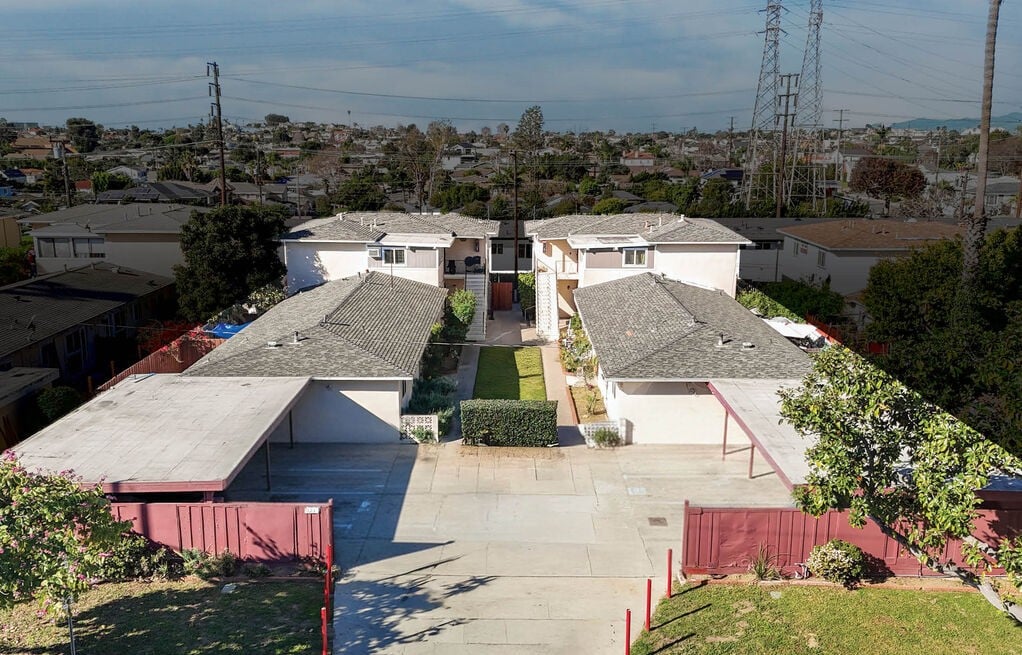
For 5+ unit buildings, this is where the submarket really shines. Aerospace and defense tenants often have longer planning horizons, cleaner credit profiles, and a strong incentive to stay close to work. That means less turnover friction, lower bad debt risk, and more predictable operations. If you are buying a 1960s or 1970s walk-up near Main Street, Grand Avenue, or the aviation corridor, that stability can matter more than a flashy pro forma.
Cap Rate Reality Check: How Employer Concentration Influences Deal Pricing in El Segundo
Let me say this clearly: El Segundo is not priced like a typical South Bay value-add market. It trades on a scarcity premium, a coastal employment premium, and an “institutional tenant demand” premium. That is why El Segundo multifamily cap rates in 2026 often come in tighter than investors expect when they compare them to inland LA County assets.
Current trading behavior for stabilized 5+ unit assets
Based on the way I’m seeing buyers underwrite in 2026, stabilized small-to-mid-size apartment buildings in El Segundo are commonly pricing in a tighter cap-rate band than nearby less employment-anchored submarkets. Well-located, professionally maintained 5+ unit properties with in-place income, strong occupancy, and realistic upside can still attract aggressive pricing — especially if the building is within a walkable distance to the city core or has convenient freeway access.
I’m seeing buyers pay up for:
- clean tenant profile
- low deferred maintenance
- parking that actually works for the unit mix
- proven rent comps near the beach-adjacent and downtown corridors
- upside through interior renovations rather than heavy entitlement risk
Premium versus broader LA submarkets
El Segundo often trades at a premium to more functionally similar but less income-stable South Bay markets because the employment base is so concentrated and high wage. At the same time, it can trade at a discount to ultra-prime coastal luxury micro-markets if the asset is older, smaller, or more operationally intensive.
That spread is exactly where disciplined investors can create value: buy at a cap rate that still makes sense on today’s NOI, then push rents through renovation, utility recovery, and expense control.
Why concentration is not always a bad thing
A lot of investors worry about employer concentration risk, and that concern is fair. But not all concentration is equal. A single-employer-dependent market with volatile payroll is one thing. El Segundo is different. Defense and aerospace demand tends to be sticky, capitalized, and long-cycle. That lowers vacancy shock risk and supports the market’s willingness to accept tighter yields.
Value-Add Playbook: Repositioning Older Stock to Capture Aerospace Workforce Demand
This is where the opportunity gets interesting for El Segundo value-add apartments. Older buildings in the city are often not luxury products, but they can be highly rentable if renovated with the right finish level and operational discipline.
What renovated units can achieve
The tenant here usually wants clean, durable, modern, and close to work. They are not always demanding trophy finishes, but they will pay for:
- in-unit laundry
- upgraded kitchens and baths
- efficient HVAC and insulation
- secure access and parking
- EV readiness where feasible
- strong Wi-Fi and work-from-home functionality
For the right 5+ unit asset, renovated units can often achieve meaningful rent lifts if the building is within the right corridor and the unit mix is aligned with workforce demand.
Expense pressure matters more in 2026
The value-add story is not just about gross rent. El Segundo multifamily underwriting has to reflect higher operating costs:
- property insurance remains elevated
- utilities are still sticky
- labor and maintenance costs have not reverted to pre-2021 levels
- compliance costs are real in older stock
That means NOI growth is earned, not assumed. I prefer deals where the repositioning plan creates multiple levers: interior upgrades, operational cleanup, RUBS or utility allocation where legal, better tenant screening, and capital improvements that reduce long-term maintenance.
1031 exchange angle
For sellers in LA who are exiting smaller, higher-management assets or looking to de-risk concentration elsewhere, El Segundo can work well as a flight-to-quality 1031 destination. You are not buying “cheap” yield here. You are buying stability, a durable tenant base, and a market where appreciation can be supported by employment density and scarcity.
Regulatory & Tax Headwinds: ULA, RSO, and Debt Service Impact on El Segundo Multifamily Returns
No serious investor should underwrite El Segundo as if it were frictionless. The policy environment around Los Angeles County still matters, even when a property sits in a separate city.
ULA and transaction friction
Los Angeles’s ULA transfer tax has changed investor behavior across the region. It does not apply everywhere in the same way, but it has absolutely influenced capital allocation, seller timing, and buyer selectivity throughout the greater LA apartment market. When transaction costs rise, cap rates often have to do more work to clear deals, especially on higher-value assets.
Rent control and AB 1482
El Segundo apartments still need to be evaluated through the lens of AB 1482, local rent regulation where applicable, and any older-unit protections that affect the asset. If you are buying a property with legacy tenancy, the spread between in-place rents and market rents becomes critical — but so does the timeline required to realize it.
Also remember: Costa-Hawkins still shapes what is and is not subject to local rent control in California, and Ellis Act considerations matter when owners are thinking about long-term repositioning or exit strategy.
Debt service and refi risk
The rate environment remains a major filter in 2026. A lot of apartment investors are still dealing with debt service stress from loans originated at lower cap rates and tighter spreads. If you are buying in El Segundo now, your underwriting must model:
- slower refi assumptions
- conservative exit cap rates
- realistic lease-up velocity on renovated units
- no heroic rent growth
That said, if you can buy well and hold through the cycle, El Segundo’s employment base gives you a better chance of defending NOI than many LA submarkets.
What I’m Watching on the Ground
When I evaluate El Segundo 5+ unit deals, I pay close attention to:
- walkability to the city core and commuter routes
- parking ratio and usability
- unit mix that serves higher-income renters without overbuilding luxury specs
- deferred maintenance versus true functional obsolescence
- downside protection if leasing softens
I also pay attention to the corridor effect. A building near the central city, with easy access to Sepulveda, Aviation, and the beach-adjacent residential grid, can outperform a theoretically similar asset that feels isolated or awkwardly configured.
Final Take
El Segundo is one of the clearest examples in LA County of how payroll quality can reshape apartment valuation. The market’s aerospace and defense concentration is not just a talking point — it is a real underwriting input. It supports rent resilience, lowers certain tenant risks, and helps explain why cap rates in the city can stay firm even when broader market sentiment gets choppy.
For investors targeting 5+ unit assets, the play is straightforward: buy right, respect the operating risks, underwrite conservative rent growth, and focus on buildings where value-add improvements actually align with the local tenant profile.
Thinking about buying, selling, or 1031-ing into an apartment building in El Segundo? Let's talk. I can help you evaluate the rent roll, the cap-rate story, the employer-demand thesis, and whether the asset really pencils in 2026.
FAQ
What are El Segundo multifamily cap rates in 2026?
Cap rates vary by asset quality, location, tenancy, and renovation level, but stabilized 5+ unit buildings in El Segundo generally trade tighter than many LA County submarkets because of coastal scarcity and aerospace-driven tenant demand.
Why does aerospace payroll matter so much for apartment underwriting in El Segundo?
Aerospace and defense jobs tend to be higher wage, more stable, and less cyclical than many other local employment categories. That supports rent collections, renewal rates, and overall NOI durability.
Is El Segundo a good 1031 exchange market for apartment investors?
Yes, especially for investors prioritizing stability over headline yield. It can be a strong 1031 destination if you want a high-quality tenant base, limited supply, and long-term appreciation potential.
How do rent control and AB 1482 affect El Segundo apartment deals?
They can limit immediate rent upside on certain units and extend the timeline to realize value-add gains. Buyers should always model rent growth conservatively and verify tenancy, vintage, and applicable regulations.
What type of El Segundo multifamily asset is best for value-add investors?
Older 5+ unit buildings with functional layouts, strong parking, and clean bones are often the sweet spot — especially if there is room to upgrade interiors, improve operations, and hold for long-term income growth.