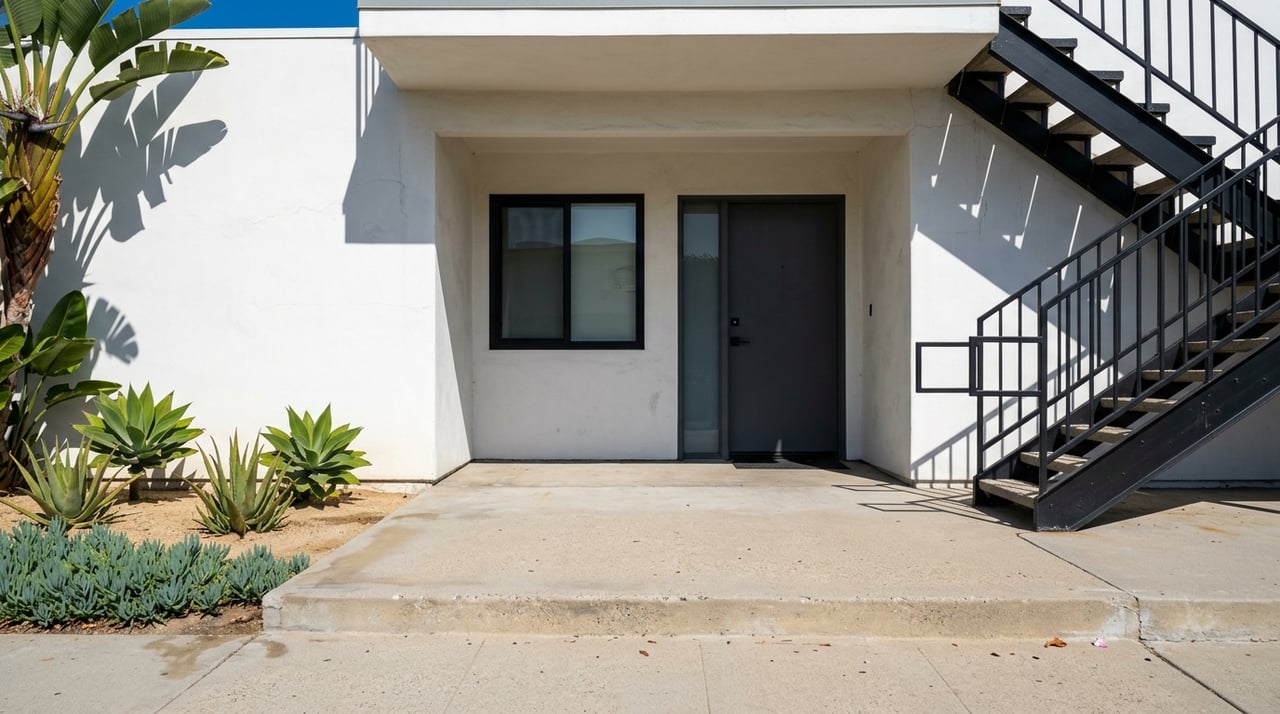
Selling a Long Beach apartment building can get expensive fast if you prepare the wrong things first. Many owners spend time on paint and touch-ups, only to learn that buyers care more about lease files, rent-roll accuracy, tenant status, and repair items that affect underwriting. If you want a smoother sale, stronger buyer confidence, and fewer surprises in escrow, this checklist will help you focus on what matters most. Let’s dive in.
Start With Long Beach Tenancy Rules
Before you market the property, confirm which local and state tenancy rules apply to each unit. In Long Beach, the Just Cause for Termination of Tenancies Ordinance applies to most rental properties in the city and protects tenants who have continuously and lawfully occupied a unit for 12 months or more.
The city also lists exemptions, including housing built within the previous 15 years, certain owner-occupied or shared-facility situations, low-income deed-restricted housing, and some natural-person-owned single-family homes and condos. Long Beach also states that its ordinance works alongside California’s Tenant Protection Act, so you need to understand both the city and state framework before listing.
If you are thinking about delivering a building vacant, planning owner move-in, or marketing future renovation upside, verify the rules first. California Civil Code 1947.12 limits most annual rent increases to 5 percent plus local CPI, or 10 percent, whichever is lower, and Civil Code 1946.2 requires just cause after 12 months of lawful occupancy for covered units.
Confirm Any Relocation Exposure
Long Beach has no-fault relocation rules that can directly affect sale planning. If a future transaction or post-closing plan involves demolition or substantial remodel, the city says relocation assistance can be the greater of $4,500 or two months of rent, with a 60-day notice for tenants who have lived in the unit at least 12 months.
For other no-fault terminations, the city says the tenant receives one month of rent in relocation assistance, or the landlord may waive the last month’s rent. That means a vacancy plan is not just an operations issue. It can affect timing, pricing, buyer interest, and how your building is positioned in marketing.
Separate True Lease Violations From File Problems
If you have tenant issues, do not assume they all support removal or turnover. Long Beach identifies common at-fault grounds such as nonpayment after a 3-day notice, material lease breach, nuisance, substantial damage, subleasing without permission, refusal of reasonable access, and unlawful use.
That makes documentation especially important before listing. A missing notice, incomplete file, or informal arrangement can create confusion between a real lease violation and a recordkeeping problem. Cleaning that up before marketing can help avoid buyer concern during diligence.
Build a Clean Rent Roll Package
Serious apartment buyers are underwriting your income, not just your asking price. A clean, current rent roll is one of the first things they will review, and lenders and appraisers use it alongside operating statements to assess occupancy and income quality.
Current Fannie Mae multifamily guidance calls for a rent roll dated within 60 days of the appraiser’s inspection. It also calls for prior-year and year-to-date operating statements, copies of the standard residential lease form, executed leases and amendments, ground leases, easements or regulatory agreements, recent purchase or sale contracts, environmental site assessments, and site plans or surveys if available.
You do not need to overbuild the package, but you do need to make it accurate. The faster a buyer can verify income, occupancy, and lease terms, the easier your building is to underwrite and the less likely you are to face delays or retrades.
Rent Roll Items to Check
Before listing, review these basics:
- Unit-by-unit rents
- Actual move-in dates
- Deposit records
- Current lease terms
- Any amendments or side agreements
- Vacancy status
- Concessions, if any
- Utility responsibility by unit or building
- Delinquency status
A rent roll should reflect what is actually happening at the property today. If a unit is shown as occupied on paper but presents differently in person, that mismatch can create immediate credibility issues.
Match the Rent Roll to the Financials
Consistency matters just as much as completeness. Fannie Mae guidance states that operating statements should reflect actual physical occupancy based on the most recent quarter-end rent roll, and it flags discrepancies between rent-roll occupancy and inspection observations as a fraud red flag.
In practical terms, your trailing financials, year-to-date numbers, and rent roll should tell the same story. If they do not, expect questions from buyers, lenders, and appraisers. Those questions usually slow the deal and can weaken pricing leverage.
Financial Records Buyers Commonly Expect
Have these ready before going to market:
- Prior-year operating statement
- Year-to-date operating statement
- Current rent roll
- Executed leases
- Lease amendments
- Records of other income
- Notes on unusual expenses or one-time costs
- Available site plans or surveys
- Any existing environmental reports
For a Long Beach seller, this is one of the highest-value preparation steps. Clean files help buyers move faster and make your broker’s marketing package more credible from day one.
Fix Safety and Habitability Issues First
If you have a limited pre-listing budget, put it where buyers and lenders are most likely to care. California landlord-tenant guidance states that rental units must be habitable and that landlords must repair substantial defects and failures to comply with building and health codes.
That includes issues such as water intrusion, waterproofing failures, plumbing failures, lack of heat, exposed or faulty wiring, mold or water-damage conditions, and other health-and-safety defects. The guidance also notes working smoke detectors and, where required, carbon monoxide detectors.
Fannie Mae’s property condition assessment guidance follows a similar logic. It focuses on conditions that affect resident safety, marketability, or value, including life-safety repairs, critical repairs, deferred maintenance, and short-term capital item replacements.
Highest-Priority Pre-Listing Repairs
Focus first on:
- Roof or leak issues
- Exterior water intrusion
- Plumbing defects
- Electrical hazards
- Inoperable heat where applicable
- Smoke detector compliance
- Carbon monoxide detector compliance where required
- Mold or visible water-damage conditions
- Obvious deferred maintenance affecting safety or function
These items tend to matter more than cosmetic refreshes because they can affect inspections, financing, and buyer confidence. They also reduce the risk of repair credits late in escrow.
Keep Cosmetic Work in Perspective
Cosmetic improvements can help presentation, but they usually come after the core diligence items. Fresh paint and minor visual upgrades may improve first impressions, but they rarely add as much value as accurate records and a well-maintained building.
If cosmetic work delays your listing or pulls budget away from real repair needs, it is usually the wrong priority. For most Long Beach apartment owners, the better strategy is simple: fix what affects safety, underwriting, and transition, then make selective appearance upgrades only if they are easy and timely.
Plan Tenant Communication Before Showings
Access planning is a major part of a smooth listing process for a tenant-occupied building. California guidance states that a landlord may not enter a rental unit for a general inspection.
Entry is allowed for repairs, to show the unit to prospective tenants, purchasers, or lenders, and to repair, test, or maintain smoke or carbon monoxide detectors. The same guidance says written notice is generally required, 24 hours’ advance notice is usually reasonable, and the notice should state the date, approximate time, and purpose of entry.
For showings to purchasers, oral notice can be used only after the tenant has first been told in writing that the property is for sale. That means your access plan should be organized before the first tour request comes in.
Pre-Showing Access Checklist
Set up a clear process for:
- Written notice templates
- A showing calendar
- Approved access windows
- Unit-by-unit contact records
- Buyer and appraiser visit coordination
- Consistent notice wording
- Internal tracking of completed entries
A structured process helps the tenant experience feel orderly and reduces friction during tours, inspections, and lender visits. It also signals that the property is being managed in a professional, predictable way.
Prepare for Remodel Questions Early
If the building may be marketed as a value-add opportunity, be careful with how that upside is framed. In Long Beach, substantial remodel rules can matter even before closing if future plans involve work that would displace tenants.
The city states that permit copies, a description of the work, expected duration, and tenant contact information should be included in the notice package, and relocation assistance may apply if the tenant has been in place for 12 months or more. For sellers, that means buyers may look closely at whether a proposed renovation path is realistic under current rules.
You do not need to overpromise future vacancy or renovation outcomes to attract interest. In many cases, a cleaner and more credible approach is to document current tenancy status clearly and let qualified buyers underwrite from there.
Use a Simple Pre-Listing Priority Order
If you want the short version, prepare your building in this order:
- Verify tenancy rules and exemption status
- Identify any relocation or notice exposure
- Clean up lease files and tenant documentation
- Update the rent roll
- Reconcile the rent roll with operating statements
- Fix habitability and life-safety issues
- Organize tenant communication and access procedures
- Do limited cosmetic work only if time and budget allow
This order keeps your focus on the items most likely to affect pricing, lender confidence, diligence speed, and closing certainty. It also helps your property hit the market in a form that serious multifamily buyers can evaluate quickly.
Why This Matters for a Long Beach Sale
Long Beach apartment deals are won or lost on clarity. Buyers want a property that is easy to inspect, easy to underwrite, and easy to transition. When the legal status of the tenancies is documented, the income story is consistent, and the building condition issues are addressed, you create a much stronger launch.
That is especially true for small-to-mid multifamily assets, where local investors move quickly but tend to be highly detail-oriented. A well-prepared file does not just reduce friction. It can help create better competition and a more efficient escrow.
If you are getting ready to sell and want investor-ready guidance on pricing, prep, and positioning, connect with Jack McCann with to request a property valuation or discuss your sale strategy.
FAQs
What should Long Beach owners check before listing an apartment building?
- Review tenancy rules, confirm whether Long Beach just-cause protections apply, identify any relocation exposure, update the rent roll, reconcile financials, and fix safety or habitability issues before marketing begins.
What documents do buyers want for a Long Beach apartment building sale?
- Buyers commonly want a current rent roll, prior-year and year-to-date operating statements, executed leases, lease amendments, and any available supporting property documents such as surveys, site plans, or environmental reports.
What repairs matter most before selling a Long Beach rental property?
- Repairs tied to habitability, safety, and deferred maintenance usually matter most, including leaks, plumbing or electrical defects, water damage, mold conditions, heat issues, and smoke or carbon monoxide detector compliance where required.
Can a landlord enter units freely when selling a Long Beach apartment building?
- No. California guidance says entry is not allowed for a general inspection, and access for showings or repairs generally requires proper notice that states the date, approximate time, and purpose of entry.
Do cosmetic upgrades help when listing a Long Beach apartment building?
- They can help presentation, but they usually matter less than accurate records, clean lease files, and repairs that affect inspections, financing, or buyer confidence.
Why is rent-roll accuracy important when selling a Long Beach multifamily property?
- Buyers, appraisers, and lenders use the rent roll with operating statements to assess income and occupancy, so mismatches can trigger extra scrutiny, delay diligence, and weaken deal certainty.